Scared Rescue Dogs – Build Trust Through Gentle Routines
Scared rescue dogs usually need predictability more than excitement. A quiet schedule, patient handling, safe resting space, and consistent responses can help a nervous dog begin understanding that its new home isn’t dangerous.
Trust rarely develops because someone tries harder to create affection. It develops when the dog repeatedly experiences ordinary situations without something frightening happening.
Give the Dog Control Over Distance
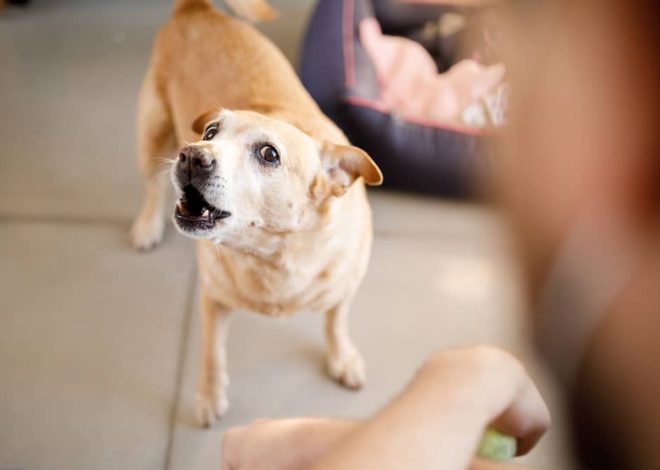
A fearful dog may retreat behind furniture, avoid eye contact, freeze, or move away when approached. Don’t immediately interpret that behavior as rejection.
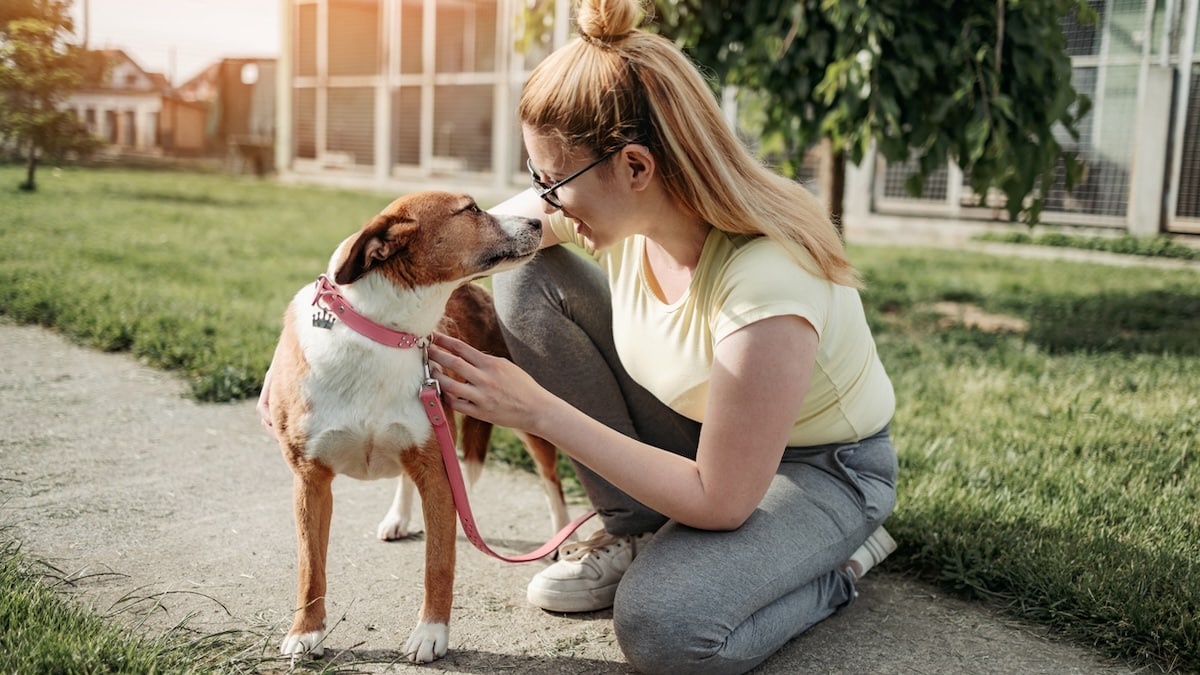
Instead of following the dog, allow it to decide how close it wants to be. Sit nearby without reaching toward it and let curiosity do some of the work.
People comparing different pet-care experiences may browse general reading material, but the individual dog’s body language should guide your pace.
Create One Reliable Safe Space
Choose a quiet bed, crate, or corner where household members won’t constantly disturb the dog. The goal is to create a location associated with rest rather than forced interaction.
Never drag a frightened dog out of its safe area simply because visitors want to meet it.
Build a Predictable Daily Rhythm
Feed, walk, and settle the dog at roughly similar times each day. Predictability removes some of the uncertainty that can keep fearful animals alert.
Routine doesn’t mean every minute must follow a schedule. It simply gives the dog repeated signals about what usually happens next.
Stories shared through online discussion spaces can show how differently rescue animals adjust, which is a useful reminder that progress doesn’t follow one universal timeline.
| Dog Behavior | Possible Message | Gentler Response |
|---|---|---|
| Hiding | Needs distance | Allow quiet space |
| Freezing | Feels uncertain | Stop advancing |
| Turning away | Avoiding pressure | Reduce interaction |
| Approaching briefly | Testing safety | Stay calm and still |
Let Positive Experiences Stay Small
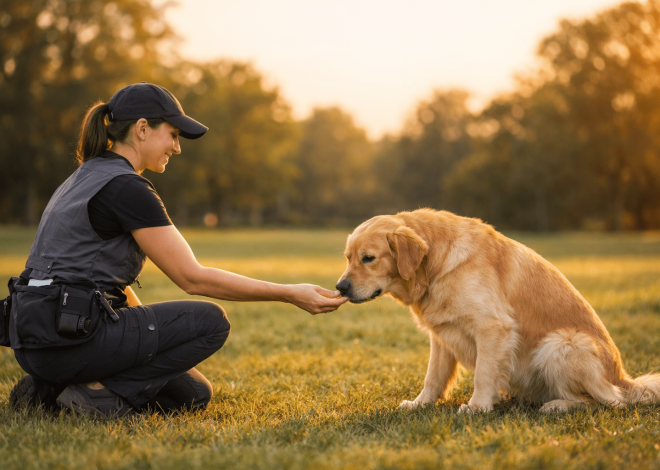
Trust-building doesn’t require elaborate exercises. Quietly placing a treat nearby, opening the door for a calm walk, or sitting in the same room without touching the dog can all become useful experiences.
Avoid surrounding the animal with several excited family members. One calm person is easier to understand than five people calling its name.
Broader digital reference pages may offer ideas worth considering, but routines should be adjusted according to the dog’s reactions rather than followed mechanically.
Introduce New Experiences Gradually
New rooms, visitors, traffic sounds, grooming, car rides, and other dogs can all add pressure. Introducing several of these at once can make it difficult to know what’s causing distress.
Change one variable at a time. If a visitor is coming over, for example, keep the dog’s feeding and walking routine familiar that day.
Short successful encounters are usually more useful than forcing a nervous dog to remain in a difficult situation until it stops reacting.
Mistakes That Can Slow Trust
Trying to prove that you’re friendly by repeatedly petting, hugging, or reaching over a frightened dog can have the opposite effect. Human affection isn’t automatically comforting to an animal that still feels uncertain.
Punishment is another poor fit for fear-based behavior. A dog already worried about people may become more cautious when nervous reactions lead to yelling or physical correction.
Progress can also appear uneven. A dog may confidently explore one afternoon and hide again after an unfamiliar noise the following morning.
Frequently Asked Questions
How long does a rescue dog take to trust someone?
There isn’t one dependable timetable. Personality, previous experiences, household activity, health, and exposure to unfamiliar situations can all affect adjustment. Look for gradual changes rather than expecting trust by a certain date.
Should I pet a scared rescue dog?
Let the dog approach voluntarily whenever possible. If it moves away, freezes, lowers its body, or appears uncomfortable, reduce pressure rather than continuing physical contact.
Can treats help a fearful dog?
Treats can help create positive associations when the dog is comfortable enough to eat. They shouldn’t be used to lure an extremely frightened dog into interaction it would otherwise avoid.
Let Safety Become Familiar
A frightened rescue dog doesn’t need to become outgoing overnight. The first goal is simpler: make daily life predictable enough that the animal can relax.
Keep routines calm, respect attempts to create distance, and notice small signs of confidence. Trust grows from repeated evidence that the home, the people, and the ordinary events around them are safe.