
September 2026

Cluttered Living Spaces: Create Order With Better Storage
Clutter often develops because everyday belongings don’t have convenient places to go. Mail lands on the counter, shoes collect near the door, chargers migrate between rooms, and rarely used objects occupy the easiest storage areas. Better storage can restore order, but adding more containers isn’t always the answer. The strongest approach combines sensible decluttering with […]

False Advertising Concerns: Preserve Screenshots Before Offers Change
Online advertisements can disappear, product pages can be edited, and promotional language can change within hours. If an offer appears misleading, preserving what you actually saw may become as important as the complaint itself. Save the advertisement, price, qualifying language, checkout screen, and purchase record before contacting the seller. Capture the Complete Advertisement A single […]

Power of Attorney Problems: Choose Agents Before Emergencies Happen
A power of attorney can become one of the most important documents in an emergency. It allows another person, called an agent or attorney-in-fact in many jurisdictions, to handle specified matters for the person granting authority. Problems often arise when the agent was chosen casually, responsibilities were never discussed, or institutions cannot easily confirm the […]

Truck Accident Cases – Preserve Evidence Before Vehicles Change
Truck accident cases can involve evidence that changes quickly. Vehicles may be repaired, cargo may be moved, roadway conditions may disappear, and electronic or company records may be retained for different periods. Early organization therefore matters. The goal is not to decide fault immediately, but to preserve reliable information before later investigation becomes harder. Start […]

Work Permit Delays – Track Status Before Employment Starts
A delayed work permit can become an employment problem when a person assumes filing and authorization are the same thing. The better approach is to preserve the receipt, identify the eligibility category, follow official case updates, and confirm what documentation is required before beginning or continuing employment. Start With the Receipt Number and Filing Category […]

Client Payment Disputes – Keep Invoices and Communications Organized
An unpaid invoice can become difficult to resolve when the business cannot quickly show what was ordered, what was delivered, when payment became due, and what the client said afterward. Organized documentation creates a cleaner factual record and makes early resolution easier. Start With the Agreement Behind the Invoice An invoice does not exist in […]
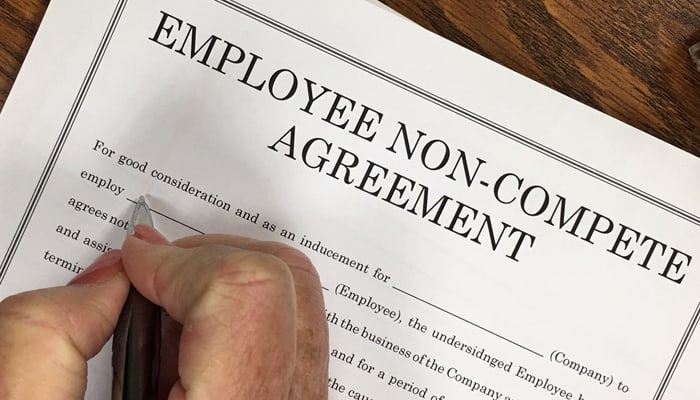
Noncompete Clause Issues – Understand Restrictions Before Changing Jobs
A noncompete clause can affect where someone works, what services they perform, and whether a new job creates a dispute with a former employer. The presence of a noncompete does not by itself answer whether it is enforceable. State law, the language of the agreement, the worker’s role, and other circumstances can change the result. […]

Foreclosure Notice Concerns – Respond Before Important Deadlines Pass
A foreclosure notice should never be treated like ordinary mortgage correspondence. It may contain dates affecting a homeowner’s ability to contest an action, request assistance, submit documents, or protect other rights. The exact process varies by state and loan type, but the practical first step is consistent: identify the notice, preserve it, and determine what […]

Parole Condition Problems – Track Requirements and Important Dates
Parole conditions can affect where a person lives, works, travels, reports, and spends time. Problems often begin not with a dramatic event but with a missed deadline, misunderstood instruction, unapproved change, or incomplete record. Tracking every requirement in writing can reduce confusion and make it easier to respond when a parole officer or supervising agency […]

Adoption Process Delays – Gather Documents Before Filing Applications
Adoption can involve several separate agencies, records, approvals, and court requirements. Missing paperwork does not cause every delay, but incomplete or inconsistent documents can stop progress at stages where verification is required. Prospective adoptive parents can reduce avoidable problems by building an organized file early and confirming exactly which documents their agency, attorney, or court […]