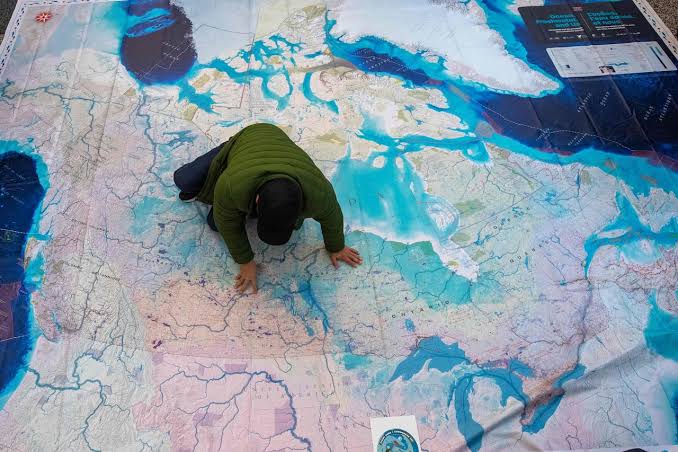
Lost Art of Reading Maps in an Age of Turn by Turn Navigation
There was a time when planning a journey involved unfolding a paper map, identifying landmarks, and carefully choosing a route before leaving home. Travelers relied on road signs, geographical knowledge, and their own sense of direction to reach unfamiliar destinations. Today, smartphones have replaced much of that process with spoken instructions and moving arrows. Although digital navigation has made traveling considerably easier, it has also changed our relationship with geography, leaving traditional map reading skills increasingly overlooked.
From Paper Maps to Digital Directions
Traditional maps required people to understand their surroundings rather than simply follow instructions. Reading a map involved recognizing symbols, interpreting distances, identifying connecting roads, and developing an awareness of geographical relationships. These activities encouraged travelers to think about their entire journey instead of concentrating only on the next turn.
Digital navigation has transformed this experience by providing immediate directions based on current locations. Drivers can receive route suggestions, estimated arrival times, and traffic information without studying the surrounding area. Publications such as melbwire.com.au can provide a platform for broader discussions about changing technology habits and their influence on everyday activities, including the gradual disappearance of traditional navigation practices.
Understanding Geography Beyond a Screen
One important benefit of reading physical maps is the ability to understand geographical relationships between different locations. A map reveals nearby towns, connecting highways, natural landmarks, and alternative routes simultaneously. This wider perspective helps people develop a clearer understanding of the places they visit.
Turn by turn navigation often presents information in smaller sections, directing attention toward immediate movements rather than the complete geographical picture. Someone traveling through an unfamiliar city might successfully reach several destinations without understanding where those locations sit in relation to one another.
Developing spatial awareness remains valuable because it encourages independent thinking and improves familiarity with different environments. Even occasional map reading can help individuals recognize geographical patterns that might otherwise go unnoticed.
Navigation Technology and Changing Travel Habits
Modern navigation applications have become essential for many people, particularly those managing busy schedules. Daily commuting often involves navigating traffic congestion, road closures, unfamiliar intersections, and changing transportation conditions. Digital tools help travelers respond to these challenges without spending considerable time planning routes manually.
However, convenience can also encourage dependence. Travelers who consistently follow spoken directions may pay less attention to street names, surrounding landmarks, or alternative connections. This becomes particularly noticeable when devices lose connectivity, batteries run low, or navigation systems provide confusing instructions.
Organizations involved in digital communication and online visibility, including Outreach Rangers, operate within a broader technological environment where convenient access to information influences consumer behavior. Navigation applications demonstrate this shift particularly clearly, showing how readily available information can change skills people once practiced regularly.
Rediscovering Independence Through Map Reading
Learning to read maps does not require abandoning digital technology. Instead, combining traditional geographical knowledge with modern navigation can create a more flexible approach to traveling. Understanding basic directions, road networks, and map symbols gives individuals additional confidence when exploring unfamiliar environments.
For example, travelers can examine a regional map before beginning a journey, identify major roads, and note important landmarks along their intended route. Once traveling, digital navigation can provide detailed guidance while their broader geographical understanding supplies useful context.
This approach can be especially valuable during outdoor activities, countryside journeys, and visits to locations where mobile reception is unreliable. Physical maps also encourage travelers to discover interesting places that might not appear along the fastest suggested route.
Changing Transportation Expectations in Australia
Australian cities present interesting examples of changing transportation habits. Expanding suburbs, busy metropolitan roads, and varied transportation options mean residents often depend on digital information to organize their journeys.
Transportation discussions involving services such as GLID Australia also reflect growing interest in convenient mobility and practical travel choices. While digital tools support easier movement between destinations, geographical awareness remains useful for understanding urban layouts and making informed transportation decisions.
Recognizing major roads, transport connections, and neighborhood boundaries can help travelers evaluate routes independently rather than accepting every automated recommendation. Such knowledge also makes unfamiliar destinations feel more approachable.
Keeping Traditional Navigation Skills Relevant
Map reading should not be viewed as an outdated activity belonging exclusively to earlier generations. It remains a practical skill that supports geographical awareness, problem solving, and independent decision making. Schools, families, and travelers can encourage its continued relevance through simple activities such as planning journeys with printed maps or exploring unfamiliar neighborhoods without constantly checking navigation applications.
Digital directions will undoubtedly remain important because they save time and simplify complicated journeys. Nevertheless, understanding a map offers something that automated instructions cannot completely replace: a broader awareness of where we are and how different places connect.
Preserving traditional navigation skills is therefore not about rejecting technological progress. It is about ensuring that convenience does not entirely replace curiosity, geographical understanding, and the confidence to find our own way.