Lonely Older Dogs: Add Gentle Activity and Companionship
Older dogs often spend more time resting, but that doesn’t mean they no longer need interaction. Changes in household routines, reduced mobility, or less play can leave a senior dog with fewer rewarding moments during the day. Gentle companionship, predictable activity, and comfortable stimulation can help without pushing an aging dog beyond its abilities.
Notice Changes in Social Behavior
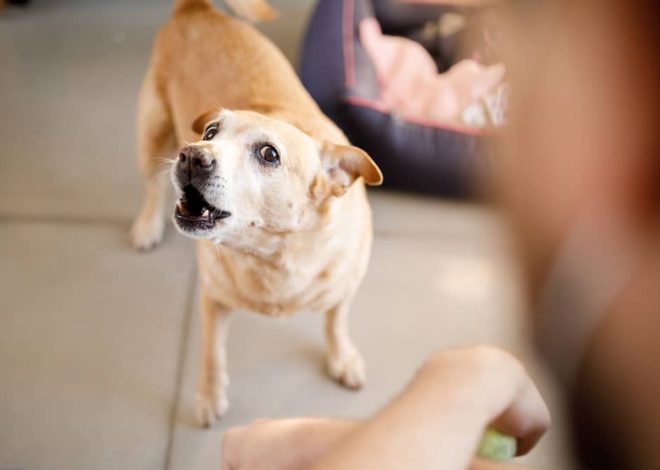
A senior dog may start following family members more closely, waiting near doors, vocalizing when left alone, or appearing less interested in usual activities. These changes don’t automatically prove loneliness because pain, hearing changes, illness, or cognitive changes can produce similar behavior.
Keep track of what happens and when. General reading material about daily routines can provide broader ideas for structuring home life, but behavior that changes suddenly deserves closer attention.
Look at the Whole Pattern
Consider appetite, sleep, movement, toileting, enthusiasm, and social behavior together. A dog that simply wants more company presents a different picture from one that suddenly struggles to stand or stops eating.
Patterns are more informative than one isolated behavior.
Choose Movement That Matches the Dog
Gentle walks can provide exercise, scents, outdoor stimulation, and time together. An older dog that once enjoyed long outings may prefer two or three short walks instead.
Some lifestyle writing ideas can inspire ways to make everyday routines more engaging, though the activity itself should always match the dog’s mobility and energy. Let the dog set a comfortable pace.
| Activity | Senior-Friendly Approach | Main Benefit |
|---|---|---|
| Walking | Shorter, slower routes | Movement and scents |
| Play | Gentle floor-level games | Interaction |
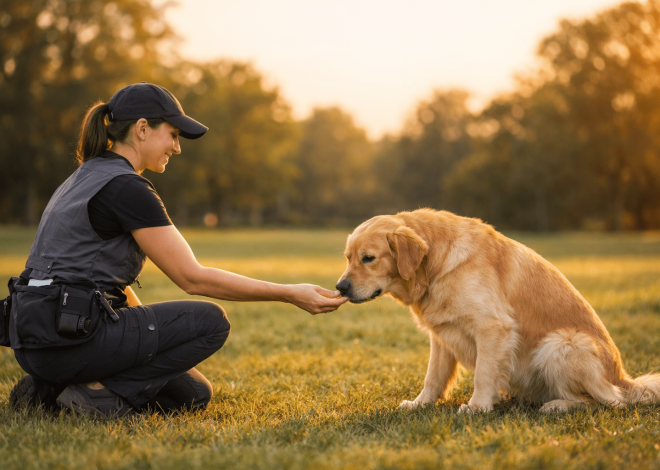
| Training | Simple familiar cues | Mental engagement |
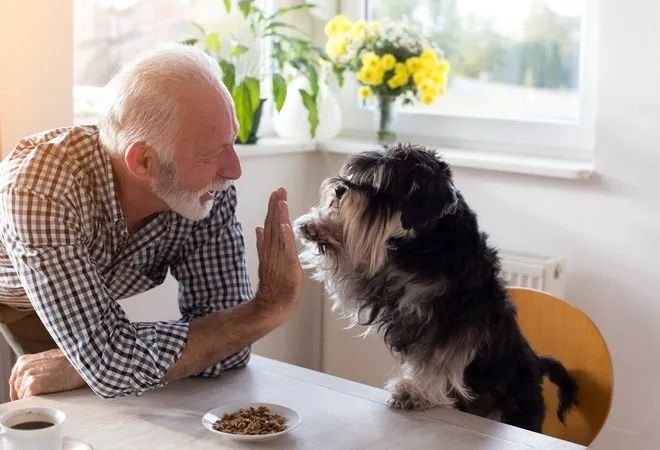
| Resting together | Quiet shared time | Companionship |
Make Quiet Time More Social
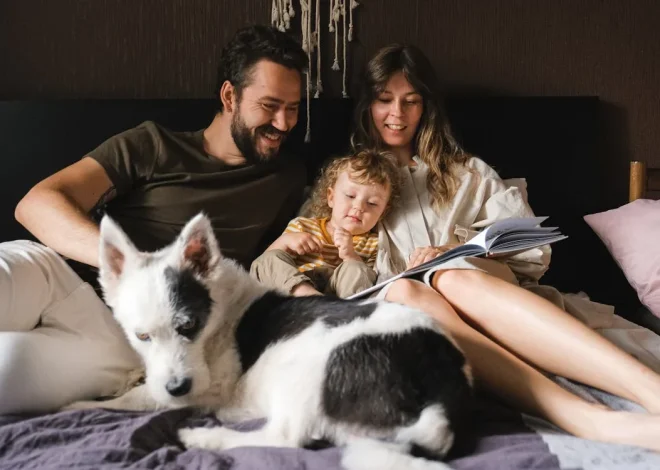
Companionship doesn’t always require active play. Sitting near your dog while reading, working, gardening, or watching television can provide reassuring social contact.
Place a comfortable bed where household activity occurs so the dog can choose company without constantly moving. Older dogs may appreciate being included while still having enough space to sleep undisturbed.
Add Variety Without Creating Stress
Simple scent games, food puzzles suited to the dog, familiar toys, or short training sessions can make quiet days more interesting. New activities should be introduced slowly rather than turning the dog’s routine upside down.
Looking through independent online perspectives may generate general enrichment ideas, but your dog’s response should guide what stays in the routine. If an activity causes frustration, fatigue, or avoidance, simplify it.
What Owners Sometimes Misread
Reduced activity isn’t always boredom or loneliness. Older dogs may slow down because movement is uncomfortable, senses have changed, or another health problem is developing.
Trying to solve every behavioral change with longer walks or more stimulation can therefore backfire. Observe whether your dog seems comfortable during activity and afterward. A senior dog may benefit more from ten relaxed minutes outside than from an exhausting attempt to recreate its younger routine.
Frequently Asked Questions
How much attention does an older dog need?
There is no single amount that suits every senior dog. Regular contact throughout the day, predictable routines, gentle exercise, and opportunities to rest near family members can provide meaningful companionship.
Can another dog help a lonely senior dog?
Sometimes, but adding another pet isn’t automatically the answer. A calm compatible companion may help some dogs, while others find a new animal stressful or disruptive.
When should behavioral changes be discussed with a veterinarian?
Contact a veterinarian when changes are sudden, persistent, or accompanied by pain, weakness, appetite changes, unusual breathing, disorientation, toileting problems, or major changes in sleep or mobility.
Keep Connection Comfortable
Senior dogs often benefit more from consistency than intensity. A few short walks, quiet shared time, familiar games, and regular opportunities to explore can make the day richer without overwhelming them.
Watch what your dog still enjoys and build the routine around those preferences. Aging may change the activity, but it doesn’t remove the value of companionship.