Nervous Pets Traveling – Reduce Stress With Better Preparation
Nervous pets can travel more comfortably when preparation starts before the car ride, flight, or overnight stay. Familiar equipment, gradual exposure, predictable routines, and calm handling usually matter more than trying to solve anxiety at the moment the trip begins.
A pet that already dislikes carriers or vehicles needs practice first. Travel day shouldn’t be the first rehearsal.
Make Travel Gear Familiar Early
Leave the carrier, crate, harness, or travel bed where your pet can investigate it without pressure. Treats, toys, meals, or relaxed resting time nearby can help the equipment become part of normal life.
Owners gathering ideas may come across everyday information resources while planning a trip, but your pet’s behavior should guide the pace. A cat hiding whenever the carrier appears needs a slower introduction than a dog that willingly climbs into the vehicle.
Practice Without Going Anywhere
Place the pet in the travel setup briefly, then end the session before obvious distress builds. Gradually extend the time as tolerance improves.
Short, uneventful practice sessions can be more useful than one long test drive. Repetition teaches that entering a carrier or vehicle doesn’t always lead to something unpleasant.
Test Short Trips Before the Main Journey
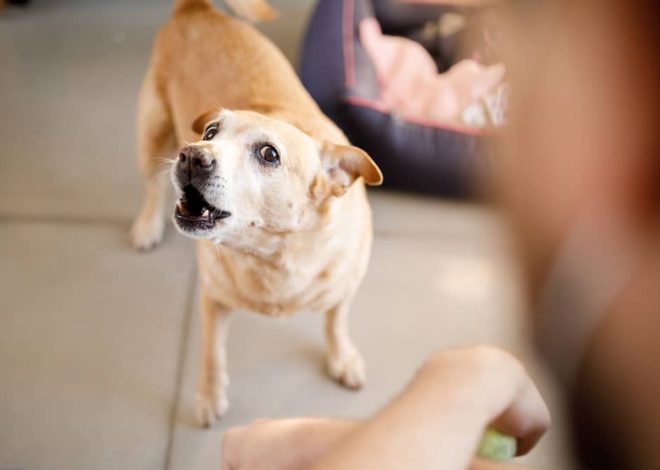
Begin with short rides around familiar streets. Watch for pacing, whining, excessive vocalizing, drooling, trembling, attempts to escape, or unusual withdrawal.
Pet owners often collect planning ideas from general reading platforms along with advice from veterinarians and transport providers. Keep notes from your own practice trips because they reveal which parts of travel actually trigger your pet.
| Travel Issue | What You May Notice | Preparation Idea |
|---|---|---|
| Carrier resistance | Hiding or struggling | Practice carrier entry |
| Motion discomfort | Drooling or nausea | Ask a veterinarian |
| Noise sensitivity | Trembling or barking | Reduce stimulation |
| Restlessness | Pacing or scratching | Use secure familiar gear |
Keep the Routine Recognizable
Feed, exercise, bathroom breaks, and rest as close to the normal routine as practical. Familiar timing gives nervous animals fewer changes to process at once.
Pack normal food, required medications, familiar bedding, cleanup supplies, identification, and suitable restraint equipment. Travelers browsing broader web topics may find endless packing suggestions, but familiar essentials usually matter more than adding unnecessary new products immediately before departure.
For long road trips, plan safe breaks appropriate for the species, age, and individual pet. Never allow an unsecured animal to wander around a moving vehicle.
Reduce Stimulation Rather Than Adding Distractions
Some nervous pets become more unsettled when owners constantly speak to, touch, or reposition them. Calm presence can help, but nonstop attention may keep the pet focused on the stressful event.
Secure positioning, moderate temperature, controlled noise, and familiar smells often create a more predictable environment. A favorite blanket may be useful if it can be used safely without interfering with ventilation or restraint.
Where Travel Preparation Often Goes Wrong
Waiting until departure morning is the biggest mistake. A pet already frightened by a carrier isn’t likely to become relaxed simply because the carrier contains a new toy.
Another problem is introducing several changes at once: a new harness, unfamiliar food, a strange crate, and a long journey. That makes it harder to identify what is causing discomfort.
Never give human sedatives or unfamiliar calming products without appropriate veterinary guidance. What seems like simple nervousness may also involve motion sickness or another health concern.
Plan Around the Individual Pet
Age, health, temperament, previous travel experiences, and destination all affect what preparation makes sense. A young dog accustomed to weekly car rides has different needs from an older cat taking its first long journey.
For flights, check the carrier and documentation requirements of the airline well before departure. For road trips, confirm that identification information is current and that your pet can be safely restrained throughout the journey.
Frequently Asked Questions
How long before traveling should I prepare a nervous pet?
Starting several weeks ahead can provide more opportunity for gradual practice, although the ideal timeline varies. Even a few short, positive carrier or vehicle sessions before departure can be preferable to introducing everything on travel day.
Should I feed my pet immediately before a car trip?
Feeding decisions depend on the animal, journey length, normal routine, and history of motion sickness. If your pet has previously become nauseated while traveling, ask your veterinarian what feeding schedule is appropriate.
Can familiar blankets help nervous pets travel?
They may help some animals by providing familiar scent and texture. Make sure blankets or bedding don’t create overheating, block ventilation, or interfere with the safe use of a carrier, seat restraint, or crate.
Prepare Before the Stress Begins
Better pet travel usually starts long before luggage enters the car. Make carriers familiar, practice short trips, preserve recognizable routines, and keep the travel environment secure and predictable.
Pay attention to what your pet actually struggles with rather than adding solutions at random. Good preparation can’t guarantee a perfectly calm journey, but it can remove many avoidable sources of stress.