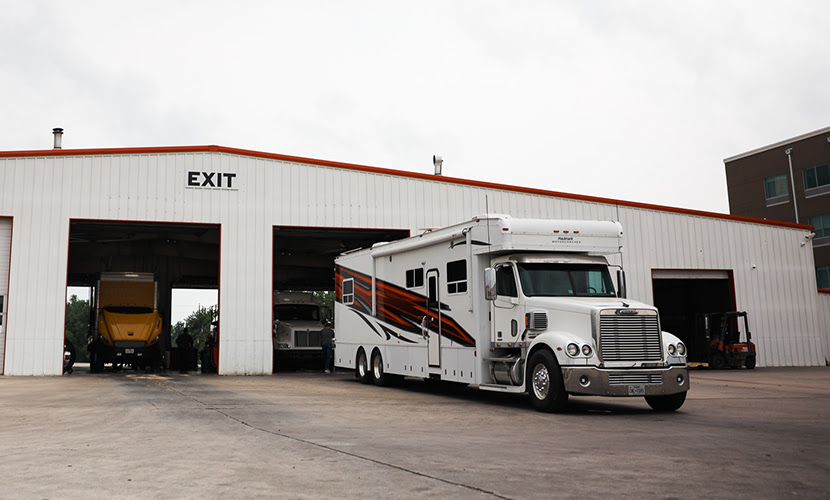
Heavy Vehicle Loads – Remove Unneeded Weight for Efficiency
Every extra pound carried by a vehicle requires energy to move, especially during acceleration and climbing. Heavy vehicle loads can therefore reduce efficiency when unnecessary cargo remains in the trunk, cargo area, roof box, or truck bed for weeks at a time.
Removing unused weight is a simple efficiency improvement because it requires no mechanical modification. Start with items the vehicle doesn’t routinely need.
Why Extra Weight Changes Fuel Demand
A heavier vehicle needs more force to accelerate. The effect becomes more noticeable in stop-and-go driving because the vehicle must repeatedly bring that additional mass back up to speed.
Weight also affects how the suspension and drivetrain behave under load. Owners researching axle and load systems may see why carrying capacity involves more than engine power alone.
City Driving Makes Weight More Noticeable
On a long, steady highway trip, the car mainly needs energy to overcome rolling resistance and aerodynamic drag. Urban driving adds repeated acceleration, making unnecessary cargo more relevant.
A trunk filled with old tools, sports equipment, boxes, or unused supplies may seem harmless individually. Together, they create weight the engine must carry every mile.
Start With the Cargo You Never Use
Removing unnecessary cargo doesn’t mean stripping useful emergency equipment from the vehicle. A spare tire, jack, first-aid supplies, or tools recommended for the vehicle may serve an important purpose.
Instead, look for items that have become permanent passengers without a reason. Some owners reviewing practical garage organization ideas may find that better storage at home makes it easier to keep vehicle cargo areas clear.
| Load Source | Possible Effect | Practical Response |
|---|---|---|
| Unused trunk cargo | Adds constant weight | Remove after use |
| Roof box | Adds weight and drag | Detach when unnecessary |
| Heavy tools | Raises operating load | Carry only what’s needed |
| Recreational gear | Adds seasonal weight | Store between trips |
Roof Cargo Creates a Second Problem
Items mounted on the roof don’t only add weight. They can disturb airflow around the vehicle, increasing aerodynamic resistance at highway speeds.
Removing an empty roof box or unused rack can therefore address two efficiency losses at once. Drivers comparing car setup and modification topics should consider whether an accessory is useful often enough to justify leaving it installed permanently.
A heavily loaded roof can also affect the vehicle’s center of gravity. Cargo should always stay within the manufacturer’s load limits and be secured correctly.
Common Mistakes With Weight Reduction
Throwing away useful equipment to save a small amount of weight usually makes little sense. The practical target is unnecessary cargo, not equipment that supports safety or routine vehicle operation.
Drivers should also avoid assuming that removing cargo will fix severe fuel-economy problems. Underinflated tires, mechanical faults, poor alignment, driving style, or abnormal engine operation may have a larger effect.
Frequently Asked Questions
Does carrying passengers reduce fuel economy?
Additional passengers increase vehicle weight, so some extra energy is required. That doesn’t mean drivers should avoid passengers for efficiency reasons; the more useful target is cargo being transported without any current purpose.
Should an empty roof rack be removed?
If the rack isn’t needed and is designed for easy removal, taking it off can reduce unnecessary weight and may improve airflow. The aerodynamic benefit can matter more than the rack’s actual weight at highway speeds.
Can overloading damage a vehicle?
Exceeding manufacturer limits can affect tires, suspension, braking, handling, and other components. Check the vehicle’s documentation for its permitted load and never exceed rated capacities simply because the cargo physically fits.
Carry What the Trip Actually Needs
Efficiency improvements don’t always require new parts. Removing forgotten boxes, unused tools, seasonal equipment, and unnecessary exterior carriers reduces the amount of work the vehicle must perform.
Keep useful safety equipment, respect vehicle load limits, and review cargo periodically. A lighter everyday load is one small change that keeps paying off every time the vehicle moves.