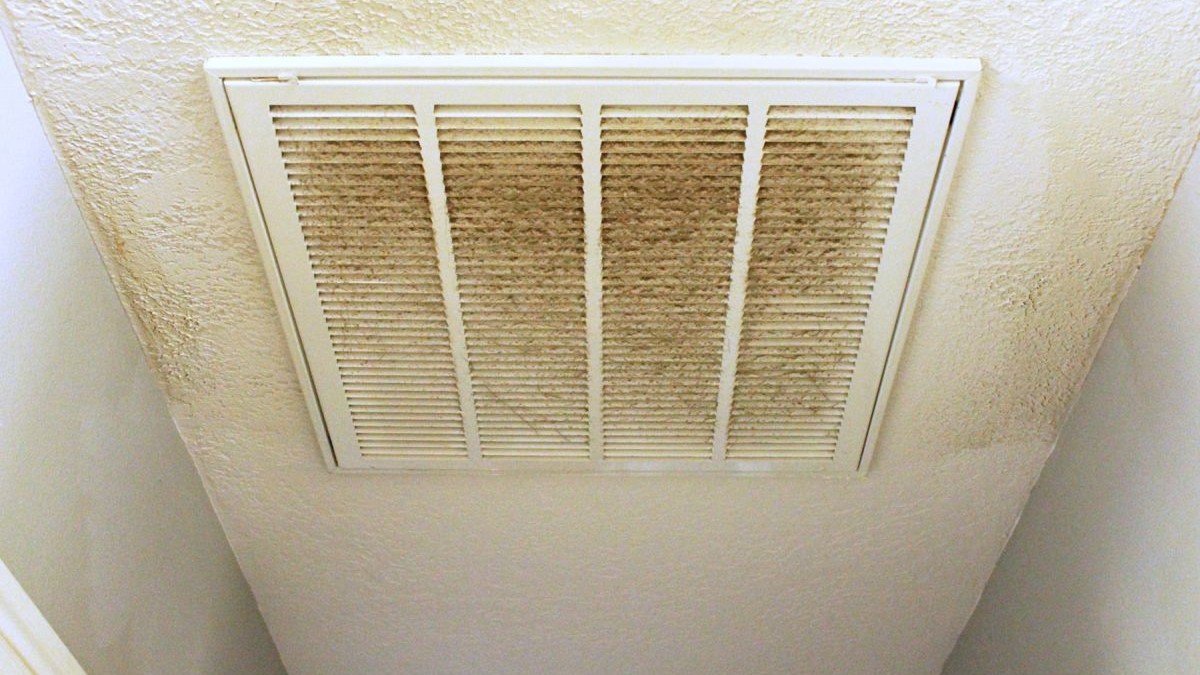
Dusty Air Vents – Clean Buildup for Fresher Air
Dusty air vents can make an otherwise clean vehicle feel neglected. When the fan starts, loose particles around the vent louvers may also move into the cabin, leaving dust on the dashboard and nearby surfaces.
Cleaning the vents doesn’t require dismantling the entire dashboard. Gentle tools, controlled moisture, and attention to the cabin filter can usually make a noticeable difference.
Where Vent Dust Comes From
Cabin air carries fine dust, pollen, fibers, and other particles. Some material is trapped by the cabin air filter, while smaller amounts settle around dashboard vents and inside easily accessible openings.
Interior dust adds to the buildup. Clothing fibers, pet hair, open windows, dirty floor mats, and frequent driving on dusty roads can all increase the amount of debris circulating through the cabin.
The Filter Can Affect the Pattern
A heavily loaded cabin air filter may reduce airflow and can contribute to poor cabin air quality. Replacement intervals vary by vehicle and driving environment, so the owner’s manual is a better guide than a universal mileage rule.
Start With Dry Cleaning
Turn the climate-control fan off before working around the vents. Use a soft detailing brush to loosen surface dust while holding a vacuum nozzle nearby to capture debris instead of spreading it across the dashboard.
General car maintenance reading can cover many parts of vehicle upkeep, but vent cleaning is one task where gentleness matters. Pushing tools deeply into the ductwork can damage louvers or leave material behind.
Microfiber cloth wrapped around a thin, non-sharp tool can help clean accessible slats. Don’t force anything past resistance.
Use Moisture Sparingly
For stuck grime, lightly dampen a microfiber cloth with an interior-safe cleaner rather than spraying liquid directly into the vent. Excess liquid can travel behind dashboard panels where electronic components may be present.
Drivers looking through vehicle upkeep topics should treat dashboard vents differently from washable household vents. Automotive assemblies often contain delicate controls and components close behind visible trim.
| Cleaning Tool | Best Use | Watch For |
|---|---|---|
| Soft brush | Loosening dry dust | Don’t push deeply |
| Vacuum | Capturing loose debris | Avoid scratching trim |
| Microfiber cloth | Wiping vent slats | Use minimal moisture |
| Cotton swab | Small accessible corners | Don’t leave fibers behind |
Check the Cabin Air Filter
If vents become dusty again soon after cleaning, inspect the cabin filter if your vehicle has one. Depending on the model, it may be located behind the glove box, beneath the dashboard, or in the engine compartment.
An owner’s manual or manufacturer service information should be the primary reference for access instructions. Online automotive information pages can supplement general reading, but the exact filter location and replacement procedure depend on the vehicle.
After replacing a dirty filter, vacuum loose debris around the filter housing before installing the new one, provided the area is safely accessible.
Mistakes That Make Vent Cleaning Worse
Blasting compressed air directly into vents may seem efficient, but it can push dust farther into ducts or spread it throughout the cabin. Strong sprays can create similar problems if liquid enters areas that aren’t designed to get wet.
Heavy fragrances also don’t solve a dust problem. They may mask odors temporarily while leaving the source untouched.
If an unpleasant smell remains after cleaning and replacing the cabin filter, the HVAC system may need further inspection rather than more perfume or surface cleaner.
Frequently Asked Questions
How often should car air vents be cleaned?
There is no fixed schedule. Clean them when visible dust develops, and consider more frequent attention if you drive with windows open or travel through dusty areas.
Can I spray cleaner directly into dashboard vents?
It’s usually safer to apply a small amount to a cloth or detailing tool. Direct spraying can send unnecessary moisture deeper into the dashboard.
Why are my vents still dusty after cleaning?
Dust may be recirculating from carpets, seats, an old cabin filter, or frequent outside-air exposure. Cleaning surrounding interior surfaces can help slow its return.
Keep Cabin Dust Under Control
Clean vents work best as part of whole-cabin maintenance. Vacuum the interior, clean dashboard surfaces, check the cabin filter, and remove dust before it becomes heavily packed around the louvers.
A few minutes of gentle cleaning can improve the cabin’s appearance without risking damaged trim or soaked electronics. The key is capturing debris rather than pushing it somewhere you can’t reach.