Peeling Wall Paint: Stop Moisture Ruining Interior Finishes
Peeling wall paint often points to a problem beneath the coating rather than bad paint alone. Moisture, weak adhesion, contaminated surfaces, and repeated condensation can all cause paint to lift. Repainting immediately may hide the damage for a short time, but the peeling usually returns unless the underlying cause is corrected first.
Find Where the Moisture Is Coming From
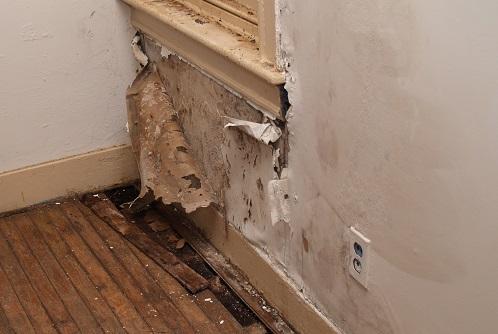
Check the location of the peeling before reaching for a scraper. Paint near windows may be affected by condensation, while damage below plumbing fixtures can suggest a leak.
Interior decorating choices shown in interior finish references may help with colors later, but moisture control comes first. Look for damp drywall, staining, swollen trim, musty odors, or recurring discoloration.
A moisture problem can also originate outside the room. Roof leaks, failed exterior seals, damaged flashing, or water penetration around windows may eventually show up as peeling interior paint.
Fix the Cause Before Removing Paint
Repair active leaks and allow damp materials to dry before refinishing the wall. Ideas related to home exterior maintenance can provide broader context for weather-exposed areas, but visible interior damage still needs a direct inspection.
Safety matters before scraping. Older coatings can contain hazardous materials, so don’t aggressively dry-sand or pulverize questionable old paint. When the age or composition of the coating is uncertain, use an appropriate testing or professional assessment approach.
Check Whether the Wall Surface Is Damaged
Press gently around the affected area. Drywall that feels soft, swollen, crumbly, or deeply stained may need repair rather than another layer of paint.
If the surface remains solid, loose coating can usually be removed until you reach firmly bonded paint.
Prepare the Wall for a Lasting Finish
After scraping loose material, feather rough paint edges with an appropriate abrasive method. Remove dust and residue, then allow the wall to become completely dry.
Rooms connected to decks or outdoor living areas can also experience moisture movement, so outdoor surface planning may be useful when evaluating nearby exterior finishes and drainage.
Use primer suited to the wall condition. Stain-blocking primer may help where old water marks remain after the moisture source has been corrected, while bonding primer can help on difficult surfaces.
| Problem | What You May See | Better Response |
|---|---|---|
| Condensation | Peeling near windows | Reduce humidity |
| Plumbing leak | Localized damp patch | Repair leak first |
| Weak adhesion | Paint lifts in sheets | Improve preparation |
| Water staining | Brown discoloration | Dry and prime |
Repaint Under the Right Conditions
Apply paint only after the surface is clean, dry, stable, and properly primed. Follow the coating manufacturer’s temperature, ventilation, and drying recommendations.
Bathrooms, kitchens, and laundry areas may need better ventilation to keep new paint from repeatedly facing high humidity. Even moisture-resistant coatings aren’t substitutes for controlling persistent dampness.
Where Repainting Alone Goes Wrong
The easiest mistake is treating peeling as purely cosmetic. Painting over loose edges usually creates a smoother-looking wall for a short period, but weak material remains underneath.
Another mistake is trapping moisture behind primer or fresh paint because the wall feels dry on the surface. Damp building materials can take longer to dry internally. If staining returns, the wall stays soft, or the source can’t be identified, further investigation is more useful than another coat.
Frequently Asked Questions
Why does wall paint keep peeling in the same place?
Repeated peeling usually means the original cause wasn’t removed. Moisture, contamination, weak primer, poor surface preparation, or movement underneath the coating can continue disrupting adhesion after repainting.
Can I paint directly over peeled wall paint?
Only after loose material has been removed and the remaining surface is stable. Rough edges should be prepared, damage repaired, and the wall primed when necessary before new finish paint is applied.
How long should a damp wall dry before painting?
There isn’t one drying time for every wall. Material type, humidity, temperature, ventilation, and how deeply moisture penetrated all matter. The surface should be thoroughly dry before coating.
Stop the Moisture Before Restoring the Finish
Good paint can’t compensate for an active moisture problem. Trace the peeling back to its cause, repair leaks or condensation issues, remove unstable coating, and rebuild the finish on a dry surface. That extra preparation may seem slower than immediately repainting, but it gives the new coating a far better chance of staying attached.