Frequent Ankle Swelling: Move More and Seek Evaluation
Frequent ankle swelling can happen after prolonged standing or sitting, but repeated swelling shouldn’t automatically be blamed on inactivity. Fluid can collect in the feet and ankles for many reasons, ranging from temporary circumstances to problems that require medical evaluation.
Movement may help in some situations, but identifying the pattern matters first.
What Ankle Swelling Can Look Like
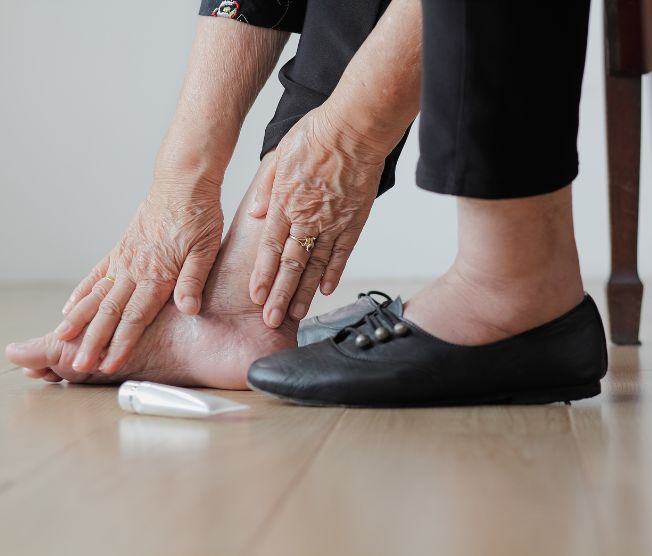
Swelling may make shoes feel tighter, leave the ankle less defined, or create a heavy sensation around the lower leg. Some people notice it toward the end of the day, while others experience swelling that persists after resting.
When comparing general health reading online, remember that the appearance of swelling alone rarely identifies its cause. Timing, whether one or both legs are affected, pain, medications, injuries, and other symptoms all provide useful context.
MedlinePlus notes that abnormal fluid buildup in the ankles, feet, and legs is called edema and lists several possible causes.
One Leg and Two Legs Aren’t Always the Same Pattern
Swelling affecting both ankles after a long sedentary day may have a different explanation from sudden swelling involving one leg.
That distinction doesn’t establish a diagnosis, but it’s useful information to share with a healthcare professional.
How Movement May Affect Lower-Leg Fluid
Long periods with the legs relatively still can contribute to fluid collecting lower in the body. Gentle walking activates leg muscles and changes the movement pattern compared with remaining seated or standing in one position.
People exploring everyday care guidance may find movement suggestions useful, but exercise isn’t a substitute for evaluating unexplained or persistent swelling.
If an ankle is swollen because of a recent injury, for example, simply walking more could be uncomfortable or inappropriate.
| Swelling Pattern | Useful Context | Possible Next Step |
|---|---|---|
| After long sitting | Improves after movement | Watch the pattern |
| Both ankles repeatedly | Persistent or recurring | Discuss with clinician |
| One ankle after injury | Pain or bruising | Assess the injury |
| Sudden one-sided swelling | New or unexplained | Seek prompt evaluation |
What to Notice Before an Evaluation
Useful observations include when swelling starts, how long it lasts, whether it changes overnight, and whether one leg is more affected. Pain, redness, warmth, breathing changes, recent travel, injury, or surgery can also matter.
A person using online care resources can keep general information in perspective by recording these real-world details instead of trying to match one photograph or symptom description to a diagnosis.
Bring a medication list to an appointment as well, since some medicines can contribute to swelling.
Where Self-Diagnosis Goes Wrong
The major mistake is treating all ankle swelling as simple water retention or poor circulation. Similar-looking swelling can occur for many different reasons.
Another error is assuming that improvement after walking proves the cause is harmless. Symptoms can fluctuate even when evaluation is still appropriate. Persistent, worsening, unexplained, or repeatedly returning swelling deserves more attention than a single temporary episode.
Signs That Shouldn’t Wait
Seek prompt medical attention for sudden unexplained swelling, especially when one leg becomes swollen, painful, warm, or unusually discolored. Emergency evaluation may be appropriate if swelling occurs with chest pain, significant difficulty breathing, fainting, or other severe symptoms.
MedlinePlus identifies blood clots and other medical conditions among possible causes of leg and ankle swelling.
Frequently Asked Questions
Can sitting all day make ankles swell?
Prolonged sitting can contribute to lower-leg fluid accumulation in some people, but recurring swelling has several possible causes. Don’t assume sitting is responsible when the pattern is persistent, severe, painful, or unexplained.
Should I walk when my ankles are swollen?
Gentle movement may be reasonable in some circumstances, but the cause matters. Swelling following an injury or accompanied by concerning symptoms may require evaluation rather than trying to walk it off.
Why does ankle swelling sometimes improve overnight?
Changing position and spending hours lying down can affect how fluid distributes through the body. Improvement overnight is useful information, but it doesn’t by itself determine why the swelling occurred.
Pay Attention to the Pattern
Movement can be useful when long periods of inactivity contribute to minor ankle puffiness, but recurring swelling deserves more than a generic exercise solution.
Track when it happens, whether it affects one or both sides, and what other symptoms appear. Seek medical evaluation when swelling is persistent, unexplained, worsening, painful, or associated with concerning changes.
This article is for general informational purposes and is not a substitute for professional medical advice, diagnosis, or treatment.