

Overfed House Cats: Manage Portions and Increase Activity
Indoor cats can gain excess weight quietly because extra calories accumulate faster than many owners expect. Managing an overfed house cat usually involves controlled portions, appropriate food, more opportunities for movement, and veterinary guidance when weight loss is needed. Sudden food restriction isn’t the answer. Cats need a gradual, appropriate plan that protects nutrition while […]

Nervous Dogs Outside – Build Confidence With Gradual Exposure
A dog that becomes nervous outside usually needs more distance, predictability, and positive experiences rather than forced exposure. Gradual outdoor practice can build confidence by letting the dog notice unfamiliar sounds, people, vehicles, or animals without becoming overwhelmed. Progress may look slow at first. That’s often preferable to pushing so hard that the dog becomes […]

Scratching Indoor Cats – Protect Furniture With Better Alternatives
Scratching indoor cats are not behaving badly simply because they target a sofa or chair. Scratching is a normal feline behavior used for stretching, maintaining claws, leaving scent, and marking territory. Protecting furniture works better when you provide surfaces that are more attractive to the cat rather than relying only on punishment. Understand Why Certain […]

Barking Nighttime Dogs – Create Calmer Evening Pet Routines
Nighttime barking often improves when evenings become predictable and the reason behind the barking is addressed. Dogs may vocalize because of outside sounds, stored energy, bathroom needs, separation, learned attention-seeking, or environmental changes. A calmer routine should reduce stimulation before bed while still meeting the dog’s physical and mental needs. Figure Out What Triggers the […]

Nervous Pets Traveling – Reduce Stress With Better Preparation
Nervous pets can travel more comfortably when preparation starts before the car ride, flight, or overnight stay. Familiar equipment, gradual exposure, predictable routines, and calm handling usually matter more than trying to solve anxiety at the moment the trip begins. A pet that already dislikes carriers or vehicles needs practice first. Travel day shouldn’t be […]

Overactive Indoor Cats – Create Better Daily Play Routines
Overactive indoor cats often need better outlets for hunting, climbing, chasing, and exploring rather than endless attempts to make them “calm down.” A structured daily play routine can help channel bursts of energy into appropriate activity. The strongest routines combine short interactive sessions with independent enrichment instead of relying on one long play period. Understand […]
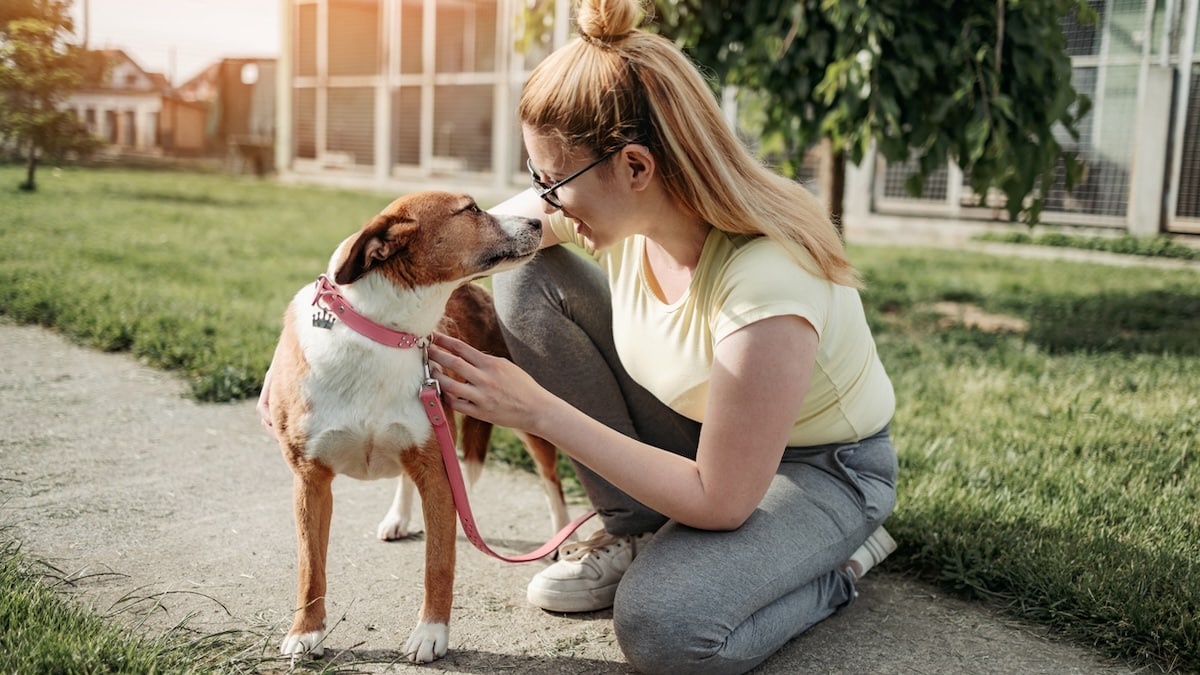
Scared Rescue Dogs – Build Trust Through Gentle Routines
Scared rescue dogs usually need predictability more than excitement. A quiet schedule, patient handling, safe resting space, and consistent responses can help a nervous dog begin understanding that its new home isn’t dangerous. Trust rarely develops because someone tries harder to create affection. It develops when the dog repeatedly experiences ordinary situations without something frightening […]
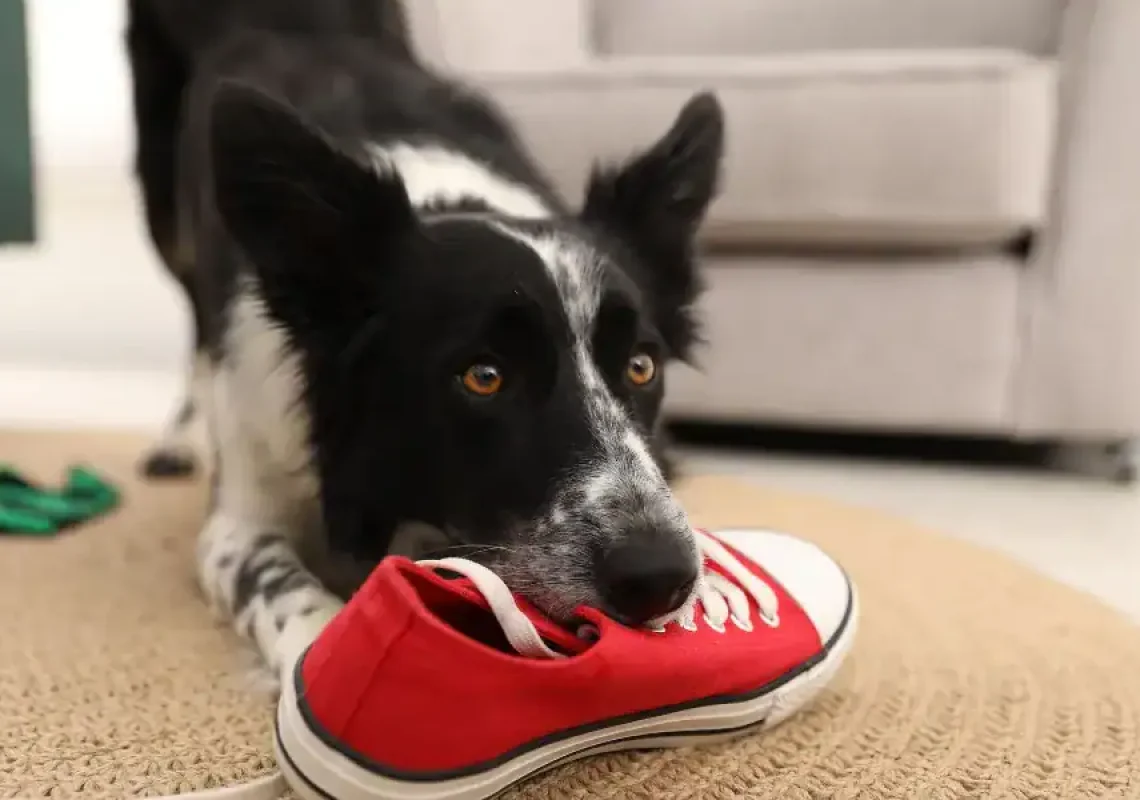
Destructive Puppy Chewing – Redirect Behavior With Better Training
Destructive puppy chewing usually improves when owners manage access, provide suitable chew options, and reward the behavior they want instead. Puppies explore with their mouths, and chewing can become especially intense during teething, boredom, or periods without enough appropriate activity. Training works better when temptation is controlled rather than constantly tested. Make the Environment Easier […]

Nervous Cat Behavior – Create Safer Spaces for Adjustment
Nervous cat behavior often improves when a cat gains a quiet, predictable place where it can observe its surroundings without being chased, handled, or forced to interact. Hiding isn’t automatically a problem during adjustment. For many cats, having control over distance is part of becoming comfortable. The goal isn’t to make the cat social immediately. […]
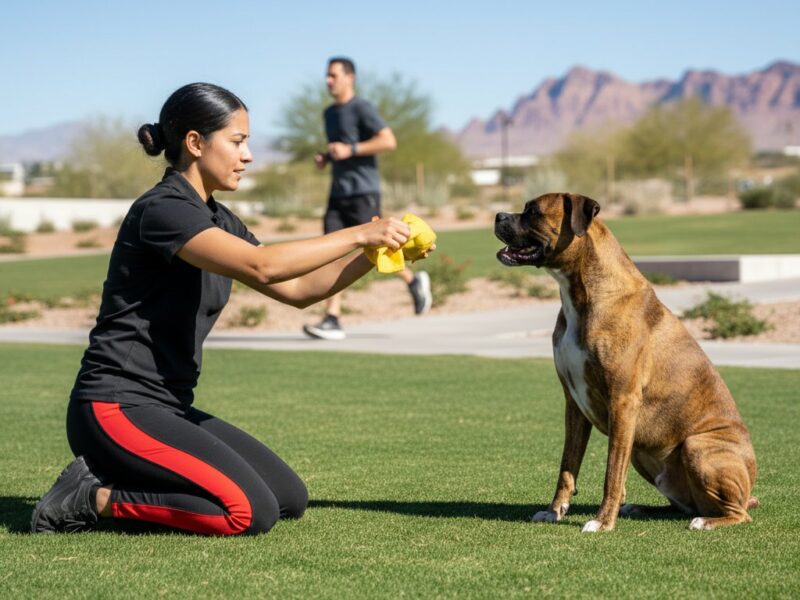
Barking Dog Problems – Reduce Noise With Better Training
Barking dog problems become easier to manage once you stop treating every bark as the same behavior. Dogs may bark from excitement, boredom, territorial reactions, attention seeking, fear, or frustration. Better training starts by identifying what happens immediately before the barking and changing both the trigger and the dog’s response. Find the Pattern Before Correcting […]