Anxious Dogs Around Visitors – Create Calm Introductions With Guests
Anxious dogs around visitors often need slower introductions, more distance, and fewer social demands. Forcing a nervous dog to greet someone at the door can increase barking, hiding, pacing, or defensive behavior. A calmer setup gives the dog time to observe the guest without immediately being touched, approached, or surrounded.
Start Before the Guest Enters
Doorbells, knocking, excited voices, and sudden movement can create a burst of stimulation before the visitor is even inside. Prepare the environment first.
Give the dog access to a comfortable area away from the doorway. A familiar bed, open crate, gated room, or quiet space can provide distance without making the dog feel trapped.
Reduce the Doorway Rush
Ask visitors to enter calmly instead of calling the dog’s name or leaning toward it. Keeping greetings low-key can prevent the entrance itself from becoming the hardest part of the visit.
For dogs that charge toward the door, a gate or leash handled by an adult can provide additional control while everyone settles.
Let the Dog Control the Distance
An anxious dog shouldn’t have to interact simply because someone has arrived. Allowing the dog to remain several feet away can make the visitor easier to tolerate.
General advice found through everyday web resources may offer many approaches to household routines, but your dog’s body language should determine the pace. Moving away is useful information, not disobedience.
Avoid having guests follow a retreating dog. More distance can help lower pressure and make voluntary curiosity more likely later.
Make the Visitor Less Intimidating
Guests can help by avoiding direct staring, reaching over the dog’s head, or immediately trying to pet it. Sitting down and focusing elsewhere often feels less confrontational.
Some people browse personal reading platforms for everyday ideas, but successful introductions usually come down to observing the individual animal rather than following a rigid social script.
| Dog Behavior | What It May Suggest | Better Response |
|---|---|---|
| Moving away | Wants distance | Don’t follow |
| Refusing treats | Stress may be high | Reduce pressure |
| Relaxed sniffing | Curiosity is increasing | Stay calm |
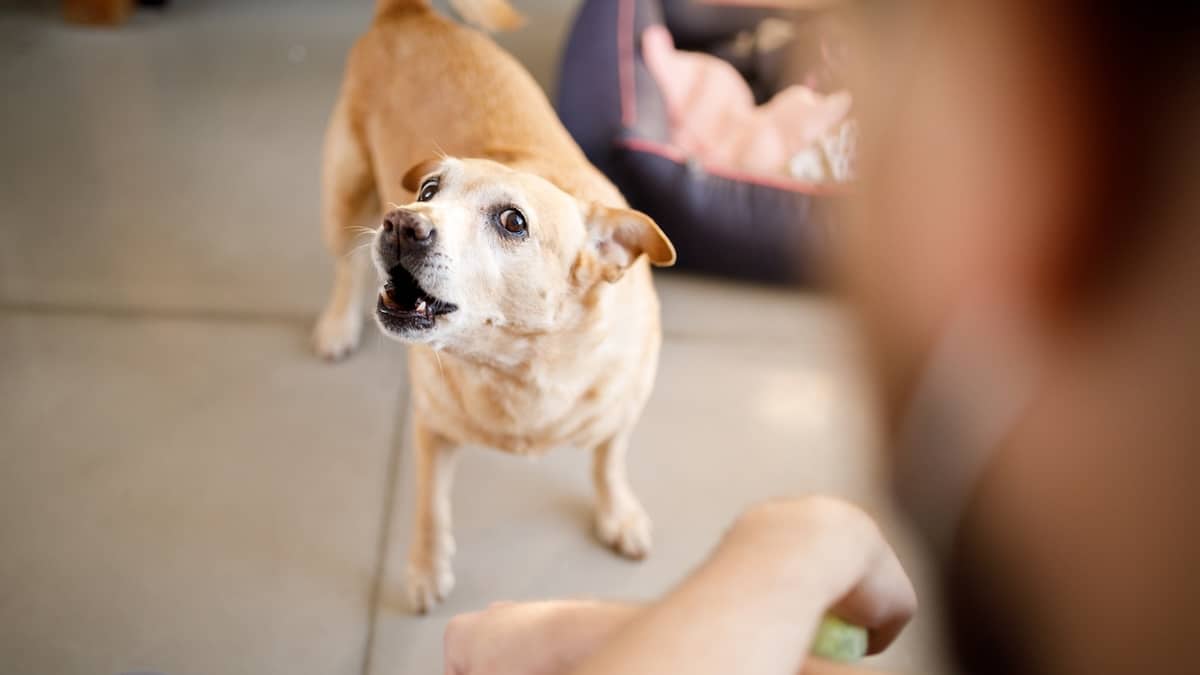
| Repeated barking | Situation may be too intense | Add distance |
Reward Calm Choices
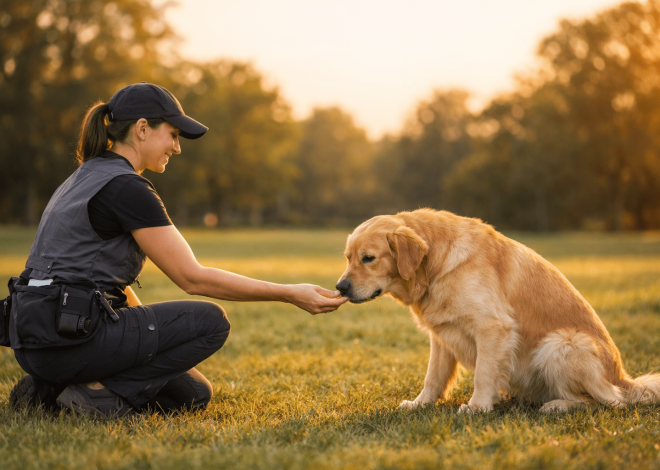
If the dog comfortably takes treats, rewarding quiet observation can create a more positive association with visitors. Rewards should support calm behavior rather than lure a frightened dog closer than it wants to come.
A guest can sometimes toss treats away from themselves instead of hand-feeding. That allows the dog to get the reward while retaining an easy escape route.
Broader digital lifestyle reading can provide plenty of household ideas, but dog introductions work best when the plan remains simple and repeatable.
Common Introduction Mistakes
One mistake is assuming that more exposure automatically eliminates fear. Repeated exposure can backfire when the dog is consistently pushed beyond what it can comfortably handle.
Another problem is mistaking stillness for relaxation. A dog that freezes, stiffens, repeatedly licks its lips, tries to hide, or stops taking food may not be enjoying the interaction. Don’t require petting simply because the animal isn’t barking.
Know When the Situation Needs More Support
If your dog has attempted to bite, has bitten someone, guards entryways, or becomes difficult to control around guests, don’t experiment with forced greetings. Physical separation can be the safest immediate management choice.
A veterinarian can also help rule out health factors that may influence sudden behavioral changes. For significant fear or aggression, consider qualified professional behavioral support that uses humane, reward-based methods.
Frequently Asked Questions
Should visitors give an anxious dog treats?
They can when the dog is comfortable enough to eat and the setup remains safe. Tossing treats rather than requiring the dog to approach a person’s hand can preserve valuable distance.
Should I put my dog in another room when guests arrive?
That can be a sensible management choice when the dog is highly stressed or the household can’t supervise interactions. Make the space comfortable rather than treating separation as punishment.
Why is my dog afraid of some visitors but not others?
Dogs may respond differently to voice volume, movement, clothing, unfamiliar smells, previous experiences, or the visitor’s behavior. The exact trigger isn’t always obvious.
Let Calm Behavior Set the Pace
Successful guest introductions don’t require your dog to become everyone’s friend. The immediate goal is a manageable environment where the animal can stay below its stress limit. Reduce doorway excitement, preserve distance, reward relaxed choices, and stop interactions that are clearly increasing distress. A quiet visit is often better progress than a forced greeting.