Nervous Dogs Outside – Build Confidence With Gradual Exposure
A dog that becomes nervous outside usually needs more distance, predictability, and positive experiences rather than forced exposure. Gradual outdoor practice can build confidence by letting the dog notice unfamiliar sounds, people, vehicles, or animals without becoming overwhelmed.
Progress may look slow at first. That’s often preferable to pushing so hard that the dog becomes more fearful.
Notice What Makes Your Dog Uncomfortable
Watch what happens immediately before your dog becomes tense. One dog may dislike traffic while another reacts to strangers, barking dogs, bicycles, construction noise, or unfamiliar surfaces.
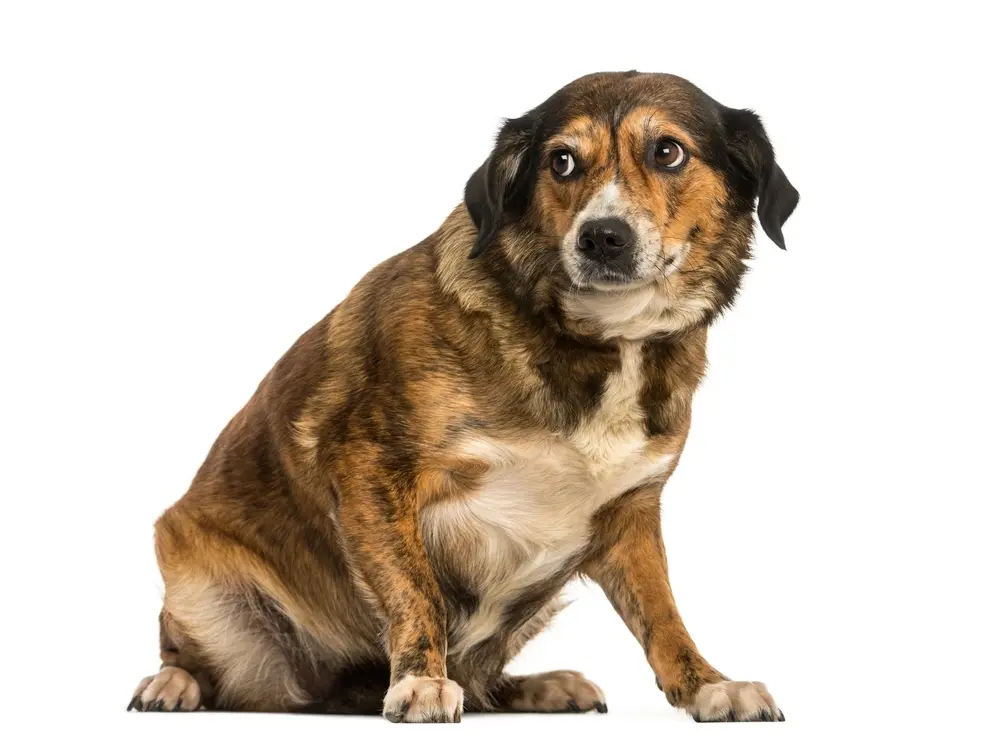
Body language can provide useful clues. A worried dog may freeze, pull toward home, refuse treats, tuck its tail, crouch, scan constantly, or try to increase distance.
| What You Notice | Possible Meaning | Useful Adjustment |
|---|---|---|
| Refuses treats | Stress may be high | Increase distance |
| Pulls toward home | Wants to escape | Shorten the outing |
| Watches quietly | Still processing | Allow observation |
| Recovers quickly | Challenge was manageable | Repeat calmly |
Patterns matter more than one isolated reaction.
Start Where Your Dog Can Still Think
Gradual exposure works best when the dog remains calm enough to eat, sniff, respond to you, or disengage from the trigger. If those abilities disappear, the situation may be too intense.
Short sessions near the doorway, driveway, quiet sidewalk, or another familiar area can be more productive than a long walk. People exploring practical pet reading may encounter many training philosophies, but your dog’s behavior should determine the pace.
Increasing distance is not failure. Sometimes moving twenty feet farther away creates exactly the learning opportunity the dog needs.
Pair Outdoor Experiences With Something Positive
Food, gentle praise, play, or permission to sniff can help create better associations with manageable outdoor experiences. The reward should arrive while the dog is still capable of noticing it.
Consistency matters more than making every outing ambitious. A collection of everyday animal topics may provide additional ideas for daily routines, but avoid turning a nervous dog’s walk into a constant series of tests.
Let easy outings remain easy.
Increase Difficulty in Small Pieces
Change one variable at a time whenever possible. You might practice at a slightly busier time while keeping the route familiar, or visit a new place during a quiet period.
General daily lifestyle reading can be useful for thinking about routines and environments, but real confidence building comes from observing the individual dog in front of you.
Five calm minutes near mild activity may teach more than thirty stressful minutes surrounded by triggers.
What Owners Often Get Wrong
Repeated exposure doesn’t automatically reduce fear. If every outing pushes the dog beyond what it can comfortably handle, repetition may strengthen the negative association instead of weakening it.
Another mistake is interpreting hesitation as stubbornness. Pulling, scolding, or physically forcing a frightened dog toward something scary can remove its sense of control. The better goal is not making the dog endure more. It’s helping the dog remain comfortable while experiencing slightly more than before.
Build a Repeatable Outdoor Routine
Use familiar equipment and begin outings in a predictable way. Give the dog time to sniff and gather information instead of immediately demanding perfect walking behavior.
Choose several easy routes so every walk doesn’t involve the same difficult trigger. On harder days, reducing the challenge is reasonable. Confidence does not improve in a perfectly straight line.
If fear is intense, worsening, causing escape attempts, or making normal outings extremely difficult, consider working with a veterinarian or qualified behavior professional.
Frequently Asked Questions
How long does it take a nervous dog to become confident outside?
There is no fixed timeline. Mild nervousness may improve with repeated positive experiences, while stronger fear can require longer-term behavior work. Progress depends on the dog, triggers, environment, and training consistency.
Should I carry my scared dog outside?
Carrying may be appropriate in some situations, particularly for safety, but it doesn’t automatically teach confidence. The training goal is usually to create manageable experiences where the dog can remain relaxed and make choices.
Should I give treats when my dog seems scared?
Food can help create positive associations if the dog is calm enough to eat. If treats are normally valuable but suddenly ignored, that can indicate the situation has become too difficult.
Let Confidence Grow at the Dog’s Pace
A nervous dog doesn’t need every outdoor challenge solved at once. Create small situations the dog can handle, repeat them until they feel ordinary, and increase difficulty gradually.
The strongest progress often comes from ending an outing while things are still going well rather than waiting for fear to take over.