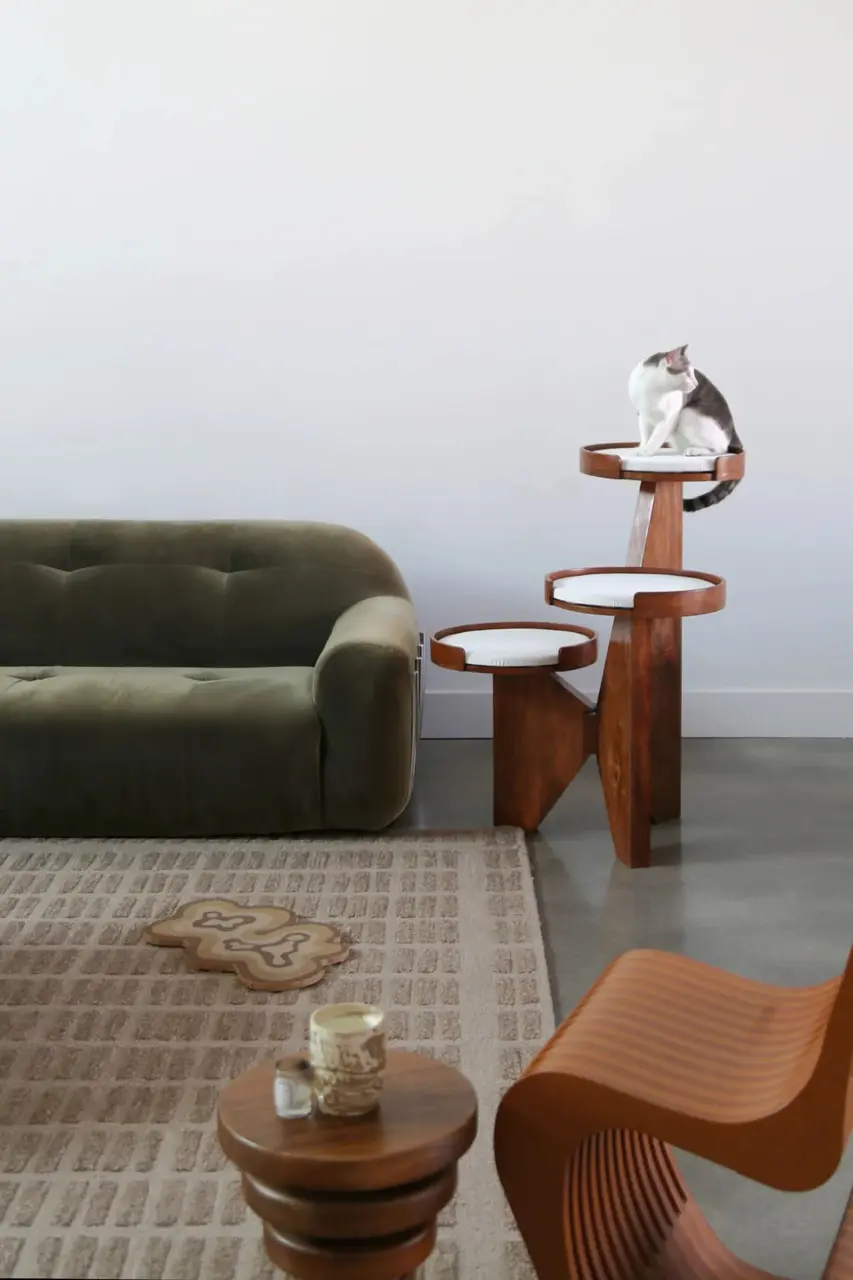
Scratching Indoor Cats – Protect Furniture With Better Alternatives
Scratching indoor cats are not behaving badly simply because they target a sofa or chair. Scratching is a normal feline behavior used for stretching, maintaining claws, leaving scent, and marking territory. Protecting furniture works better when you provide surfaces that are more attractive to the cat rather than relying only on punishment.
Understand Why Certain Furniture Gets Targeted
Cats often choose objects that are stable, textured, easy to reach, and located where they already spend time. A tall sofa arm, for example, can provide resistance while allowing a full-body stretch.
Looking through home and lifestyle ideas may inspire ways to protect a room’s appearance, but solving the scratching itself starts with observing exactly what surface your cat prefers.
Pay Attention to Angle and Material
Some cats prefer vertical scratching. Others repeatedly choose horizontal rugs or low furniture.
Texture matters too. A cat attracted to woven upholstery may ignore a smooth plastic post but readily use sisal, cardboard, rough fabric, or unfinished wood.
Put the Alternative Where the Problem Happens
A scratching post hidden in another room may have little value when your cat consistently scratches the living-room sofa. Place the alternative directly beside the favorite scratching location at first.
Content covering everyday pet and home topics can offer plenty of ideas, but convenience from the cat’s perspective matters most. A post near a sleeping area is particularly useful because many cats stretch and scratch shortly after waking.
| Current Behavior | Better Alternative | Useful Adjustment |
|---|---|---|
| Sofa arm scratching | Tall scratching post | Place directly beside sofa |
| Carpet scratching | Flat cardboard scratcher | Keep it firmly in place |
| Chair-leg scratching | Wrapped vertical surface | Match preferred texture |
| Doorway scratching | Stable scratching board | Position near traffic path |
Make Furniture Less Rewarding Temporarily
While introducing better scratching options, reduce the appeal of the original target. Furniture-safe protective covers or other temporary physical barriers may help interrupt the established habit.
Homeowners browsing general story directories may find countless decorating solutions, but avoid using harsh approaches that frighten the cat or damage furniture. The goal is to redirect a normal behavior rather than eliminate the cat’s desire to scratch.
Reward interest in the approved scratcher with attention, play, or another positive experience your cat enjoys.
Why Buying One Scratching Post Can Fail
A common assumption is that owning any scratching post should solve the problem. It often doesn’t. A short, unstable post that wobbles during use may be much less satisfying than a solid couch.
Location can also defeat an otherwise good scratcher. Cats frequently scratch in socially important areas and around resting spots, so placing every scratching surface in an isolated corner may make the furniture more attractive by comparison.
Protect Several High-Risk Areas
One scratching station may be enough in a small space, but many homes benefit from multiple options. Consider placing them near sleeping locations, living areas, entrances, or existing scratching targets.
Stability should come before appearance. A narrow post that tips when the cat stretches against it can quickly become unused.
Regular nail trimming, when done safely and comfortably, may reduce damage from scratching but does not replace the need for appropriate scratching surfaces. Scratching itself remains normal behavior.
Frequently Asked Questions
Why does my cat scratch the sofa when a scratching post is nearby?
The sofa may be taller, more stable, better positioned, or covered with a texture your cat prefers. Try moving the post directly beside the sofa and matching the orientation and material of the surface being scratched.
Should I punish my cat for scratching furniture?
Punishment may create stress without teaching the cat where scratching is acceptable. Redirecting the behavior toward an attractive scratching surface and making the furniture temporarily less appealing is usually a more practical approach.
How many scratching surfaces does an indoor cat need?
There is no single number that fits every home. Providing different scratching options in areas where the cat sleeps, plays, and already scratches gives the cat more acceptable opportunities and helps reveal its preferences.
Give the Cat a Better Choice
Furniture protection becomes easier when the replacement meets the same need as the original target. Observe whether your cat prefers height, horizontal space, rough texture, or a particular location. Then place a stable scratching option exactly where it can compete with the furniture instead of expecting the cat to search for it.