

Low Product Adoption – Teach Customers How Benefits Work
Low product adoption often happens even when customers understand the basic features. The missing piece is usually the connection between those features and a useful outcome. Customers need to know not only what a tool does but why using it makes their work easier, faster, safer, or more effective. Identify Features Customers Ignore Usage data […]

Poor Performance Reviews – Give Specific Feedback More Often
A performance review should never be the first time an employee hears that something is wrong. Poor performance reviews often happen because feedback is saved for formal evaluation periods instead of being shared while employees can still adjust their work. Frequent, specific feedback makes expectations clearer and reduces unpleasant surprises. Why Annual Feedback Isn’t Enough […]

Weak Support Training: Teach Teams Better Resolution Skills
Weak support training becomes visible when employees can answer simple questions but struggle once a customer presents an unusual problem. Strong service teams need more than product knowledge. They need to diagnose problems, ask useful questions, explain options clearly, and know when an issue requires escalation. Train People to Understand Problems Before Solving Them Rushing […]

Poor Marketing ROI – Track Results Before Spending More
Increasing a marketing budget can make poor performance more expensive rather than fixing it. Poor marketing ROI often develops because businesses spend across several channels without clearly connecting those activities to leads, customers, or revenue. Before increasing spending, identify what is producing results, what is merely generating activity, and where tracking breaks down. Better measurement […]

High Prospect Dropoff – Improve Communication Between Sales Stages
High prospect dropoff rarely happens at only one dramatic moment. More often, interest fades because communication becomes slower, less relevant, or less clear as the prospect moves from one sales stage to another. Improving those handoffs can keep promising opportunities from quietly disappearing. Find the Stage Where Interest Starts Falling Before changing the whole sales […]

High Operating Costs: Reduce Waste Without Hurting Quality
High operating costs can slowly weaken an otherwise healthy company. The wrong response is cutting everything equally. That approach may reduce expenses temporarily while damaging service, reliability, or product quality. Better cost control starts by finding spending that creates little value, then protecting the resources customers actually notice. Find the Difference Between Cost and Waste […]

Tree Sap Marks: Remove Residue Without Scratching Paint
Tree sap can form a stubborn bond with vehicle paint, especially after it has dried through several warm days. Removing it safely means dissolving or softening the contamination first instead of trying to scrape it away. Patience matters because the fastest-looking removal method can easily leave scratches that are harder to fix than the original […]
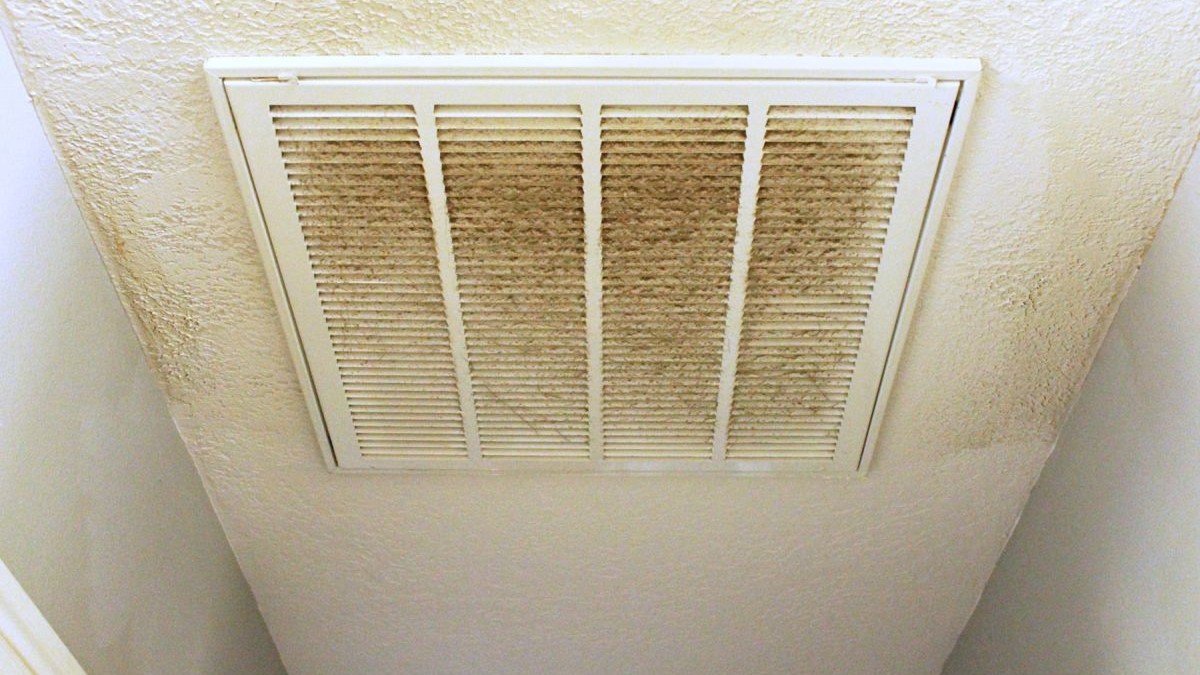
Dusty Air Vents – Clean Buildup for Fresher Air
Dusty air vents can make an otherwise clean vehicle feel neglected. When the fan starts, loose particles around the vent louvers may also move into the cabin, leaving dust on the dashboard and nearby surfaces. Cleaning the vents doesn’t require dismantling the entire dashboard. Gentle tools, controlled moisture, and attention to the cabin filter can […]

Heavy Vehicle Loads – Remove Unneeded Weight for Efficiency
Every extra pound carried by a vehicle requires energy to move, especially during acceleration and climbing. Heavy vehicle loads can therefore reduce efficiency when unnecessary cargo remains in the trunk, cargo area, roof box, or truck bed for weeks at a time. Removing unused weight is a simple efficiency improvement because it requires no mechanical […]

Stalling While Driving – Diagnose Fuel and Electrical Issues
An engine that stalls while the vehicle is moving can create a serious driving hazard because power assistance and acceleration may suddenly be reduced. Fuel-delivery faults, ignition problems, electrical interruptions, airflow issues, and sensor failures can all produce similar symptoms. The circumstances surrounding each stall are often the best starting point for diagnosis. Record the […]