Cluttered Living Spaces: Create Order With Better Storage
Clutter often develops because everyday belongings don’t have convenient places to go. Mail lands on the counter, shoes collect near the door, chargers migrate between rooms, and rarely used objects occupy the easiest storage areas. Better storage can restore order, but adding more containers isn’t always the answer.
The strongest approach combines sensible decluttering with storage positioned around the way you actually use each room.
Start With the Places That Collect Clutter
Before buying shelves or baskets, look at where objects naturally accumulate. These clutter zones reveal what your current storage system is missing.
An entry table covered with keys, paperwork, and bags may need hooks, a small tray, and a designated mail spot. A bedroom chair buried under clothing may signal that frequently worn items need easier storage than the closet currently provides.
General reading from regional publishing pages or other sites can also create digital-to-physical clutter when papers, printouts, or saved notes accumulate without a filing routine.
Store Items Near Their Point of Use
Convenient storage is more likely to be used. Cleaning supplies stored near the room where they’re needed usually work better than placing everything in one distant cupboard.
The same principle applies to chargers, children’s items, pet supplies, kitchen tools, and frequently worn accessories.
Use Hidden Space Before Adding Furniture
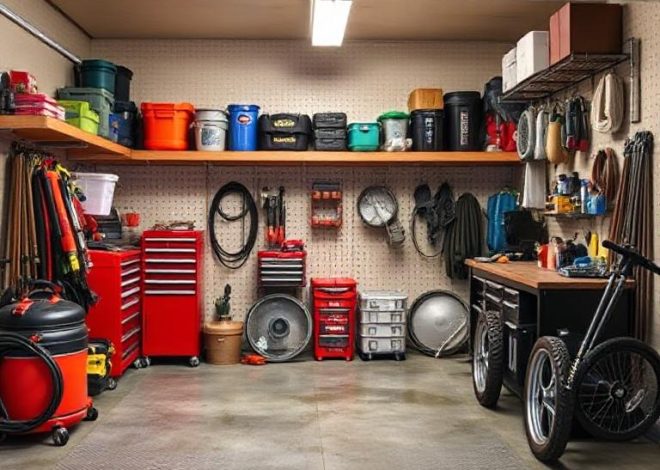
Many homes have unused storage capacity. The space beneath beds, high closet shelves, cabinet doors, wall areas, and the backs of doors can often hold items without making a room feel more crowded.
Vertical storage is particularly useful in smaller rooms because it increases capacity without consuming much floor area.
People who regularly save papers or ideas from online community reading may benefit from one labeled document box rather than allowing loose material to spread across desks and counters.
| Clutter Area | Useful Storage | Simple Rule |
|---|---|---|
| Entryway | Hooks and tray | Keep daily items together |
| Bedroom | Under-bed bins | Store seasonal items |
| Kitchen | Drawer dividers | Group similar tools |
| Living room | Closed baskets | Contain small loose objects |
Give Frequently Used Items the Best Space
A common storage mistake is giving prime shelves to things that are rarely used. Meanwhile, everyday objects become difficult to put away.
Keep high-frequency belongings within comfortable reach. Move seasonal decorations, backup supplies, travel items, and occasional equipment to higher shelves or less accessible areas.
If you save magazines, local material, or printed pieces discovered through digital reading sources, set a physical limit. One basket or magazine holder creates a natural boundary that prevents the collection from expanding indefinitely.
Choose Containers After You Measure
Storage products can become clutter themselves when purchased without a clear purpose. Attractive boxes won’t help if they don’t fit the cabinet or hold the objects causing the problem.
Measure shelves, drawers, closets, and under-bed clearance before shopping. Then decide exactly what each container will hold.
Clear containers can work well for supplies that need quick identification. Closed containers may be preferable in living areas where visual calm matters more than seeing the contents.
Labels are useful when several household members share the space. A simple label reduces uncertainty about where something belongs.
Where Organization Efforts Go Wrong
Trying to organize too much stuff is one of the biggest problems. Storage cannot completely solve overcrowding.
Another mistake is creating a complicated system that requires several steps to put away a common item. If storing a jacket means opening a closet, moving a box, finding a hanger, and rearranging other clothes, the jacket may return to the nearest chair.
Good storage should reduce friction. The easier the system is to use, the more likely it is to survive everyday life.
Frequently Asked Questions
Should I declutter before buying storage containers?
Usually, yes. Removing things you no longer need shows how much storage is actually required and can prevent you from purchasing unnecessary boxes or furniture.
How can I add storage to a small room?
Use vertical shelves, under-bed space, wall hooks, multifunction furniture, door organizers, and narrow storage pieces that take advantage of overlooked areas.
Is open or closed storage better?
Open storage offers quick access but can look busy. Closed storage creates a calmer appearance but requires enough organization inside that items remain easy to find.
Make Storage Fit Your Real Routine
An organized home isn’t one where every possession is hidden. It’s one where everyday objects have logical, convenient places.
Observe where clutter develops, remove unnecessary belongings, use overlooked space, and reserve easy-access storage for the things you actually use. A simple system that survives a busy week is more valuable than a perfect arrangement that lasts only one afternoon.