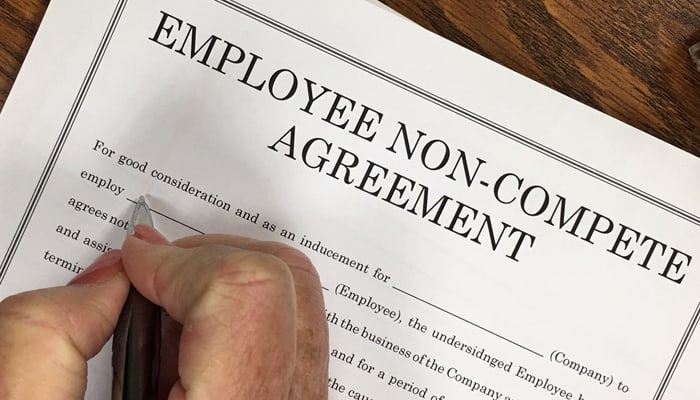
Noncompete Clause Issues – Understand Restrictions Before Changing Jobs
A noncompete clause can affect where someone works, what services they perform, and whether a new job creates a dispute with a former employer. The presence of a noncompete does not by itself answer whether it is enforceable. State law, the language of the agreement, the worker’s role, and other circumstances can change the result.
Read the Actual Restriction First
Start by identifying the activities the clause restricts. Some agreements focus on working for competitors, while others address customers, employees, confidential information, or a particular geographic area.
Do not rely on a manager’s description of the contract. Someone researching the subject through broader legal information still needs to work from the signed agreement because a few words can materially change the restriction.
Separate Similar Contract Terms
A noncompete is not the same thing as a confidentiality, nondisclosure, nonsolicitation, or intellectual-property clause. One agreement can contain several of these provisions, and each may require a separate enforceability analysis.
Understand the Current Federal Position
The FTC’s nationwide Noncompete Rule is not in effect and is not enforceable. The agency states that a federal district court stopped enforcement in August 2024 and that the FTC later moved to dismiss its appeals in September 2025. The FTC’s rule page was updated again in February 2026.
That means workers should not assume a nationwide FTC ban automatically cancels their existing clause. State law remains particularly important. General workplace law material may offer background reading, but current rules should be checked in the jurisdiction governing the agreement.
| Term to Check | What It Controls | Why It Matters |
|---|---|---|
| Duration | How long restriction lasts | Longer periods may matter more |
| Geography | Where it applies | Scope may affect job options |
| Restricted work | Activities prohibited | Job title alone may not decide |
| Governing law | Which law applies | State rules differ |
Compare the Clause With the New Job
A practical review should compare duties, customers, products, territory, confidential information, and business relationships at both employers. Two companies can operate in the same industry without every position creating the same competitive concern.
Keep the analysis specific. Legal terminology resources may help explain broad concepts, but an attorney reviewing the old contract and proposed role can address details that generic descriptions cannot.
Where Employees Often Go Wrong
A common mistake is assuming that every noncompete is either automatically enforceable or automatically void. Neither assumption works across the United States because state approaches differ.
Another risk is ignoring related obligations after concluding that the noncompete itself may be weak. Confidentiality, trade-secret, invention-assignment, or nonsolicitation provisions may remain relevant. Taking company files, customer lists, pricing information, or internal documents when leaving can also create separate issues regardless of the noncompete question.
When to Get Legal Help
Legal review is especially useful before accepting a competing job, starting a business, contacting former customers, or responding to a demand letter. Bring the signed agreement, amendments, compensation documents, job descriptions, and information about the proposed role.
Current FTC materials can provide federal context, but enforceability may depend heavily on state statutes and court decisions. The FTC also continues to take targeted enforcement actions involving particular noncompete practices even though its nationwide rule is not in effect.
Frequently Asked Questions
Does the FTC ban make my noncompete invalid?
No automatic conclusion should be drawn from the 2024 FTC rule. The FTC currently states that the nationwide rule is not in effect and is not enforceable. State law and other legal theories may still affect particular agreements.
Can I work for a competitor if my job duties are different?
Possibly, but the answer depends on the wording of the restriction and applicable law. Some clauses focus on employers, while others define prohibited activities, customers, territory, or services.
Should I show my noncompete to a new employer?
That can be useful when the agreement may affect the new position, although how and when to disclose it depends on the circumstances. Independent legal advice can help identify obligations before the transition.
Check the Restriction Before Changing Course
A job change is a poor time to discover what an old contract actually says. Pull every employment agreement before accepting the new role, compare the restrictions with the work you plan to perform, and check the law governing the contract. Early review can clarify risk while there is still time to adjust the transition.
This article provides general legal information and is not a substitute for advice from a qualified attorney.