Weak Range Ventilation: Reduce Smoke and Cooking Odors
A range hood should capture much of the steam, smoke, grease, and odor produced near the cooktop. When weak range ventilation leaves the kitchen hazy long after cooking ends, the problem may involve dirty filters, poor ducting, insufficient airflow, or the way the hood is being used. Improving performance starts with finding the restriction instead of immediately replacing the appliance.
What Makes a Range Hood Feel Weak?
Airflow can drop when grease filters become coated, exterior vents stick, ductwork is restricted, or the fan operates at a setting that doesn’t match the cooking method. Recirculating hoods also behave differently from systems that exhaust outdoors.
Before taking anything apart, switch off the hood and let cooking surfaces cool. Check the owner’s manual before removing filters or panels.
| Problem | What You May Notice | Useful Check |
|---|---|---|
| Dirty filter | Greasy haze | Inspect filter surface |
| Blocked outlet | Weak exhaust | Check exterior vent |
| Long duct run | Slow capture | Review duct path |
| Poor use | Smoke escapes sides | Start hood earlier |
Clean the Parts That Control Airflow
Grease filters are one of the easiest places to begin. A filter that looks dark, sticky, or heavily coated can restrict airflow and allow odors to linger.
Homeowners comparing cooking-space guidance should treat filter maintenance as routine rather than waiting until the fan becomes noticeably weak. Wash reusable filters according to manufacturer directions and replace disposable types when required.
Also wipe grease from the hood’s accessible intake surfaces. Avoid spraying liquid directly into the motor, switches, lights, or electrical components.
Look at the Duct and Exterior Vent
A powerful fan still performs poorly when air has nowhere to go. Ducts with excessive bends, crushed sections, grease buildup, or a blocked exterior cap can reduce effective exhaust.
Planning practical home improvements around kitchens often means considering what happens behind the visible finishes. If the hood vents outdoors, confirm that the exterior flap opens freely while the fan runs.
Do not dismantle concealed ductwork unless you can do so safely. A contractor or ventilation professional can inspect inaccessible sections when the visible components appear normal but airflow remains weak.
Use the Hood in a Way That Captures More Smoke
Turn ventilation on shortly before high-heat cooking so airflow is established before smoke develops. Use a stronger fan setting for frying, searing, or cooking that creates heavy steam.
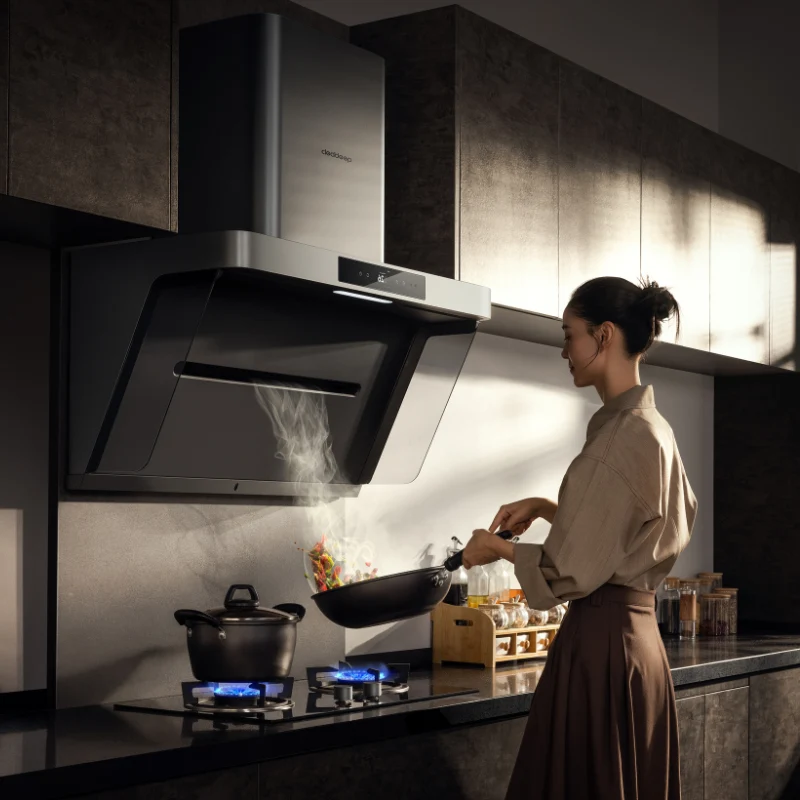
Good ventilation-friendly design also considers hood size, mounting position, nearby cabinets, and the relationship between the cooking surface and exhaust opening. A hood that captures only part of the cooktop can allow smoke to escape around its edges.
After cooking, leaving the fan running briefly can help clear remaining moisture and odors.
Where Ventilation Fixes Often Go Wrong
Replacing the hood immediately can be an expensive mistake if a dirty filter or obstructed vent is the actual cause. Likewise, installing a stronger fan without considering duct size and routing may not produce the expected improvement.
Another common problem is assuming every hood exhausts outdoors. Some models recirculate filtered air back into the room and may use replaceable charcoal filters. Confirm the hood type before troubleshooting it as though it were a ducted system.
Frequently Asked Questions
How often should range hood filters be cleaned?
The right schedule depends on cooking frequency and the manufacturer’s instructions. Kitchens that frequently fry or sear food generally collect grease faster, so inspect the filter regularly instead of relying on one universal timetable.
Why does smoke escape even with the hood on high?
The hood may be too small for the cooking area, mounted poorly, restricted by dirty filters or ductwork, or unable to capture smoke spreading beyond its intake area.
Should a range hood vent outside?
Outdoor venting usually removes heat, moisture, smoke, and cooking contaminants more directly than recirculation. Whether it is practical depends on the home’s construction, hood design, and applicable installation requirements.
Restore Airflow Before Replacing Equipment
Begin with the simple restrictions: clean the filter, inspect accessible vents, confirm how the hood exhausts, and adjust how you use it during high-smoke cooking. If airflow stays weak despite clear filters and an open outlet, have the ducting and installation checked. Better ventilation often comes from fixing the path the air follows, not simply choosing a louder fan.