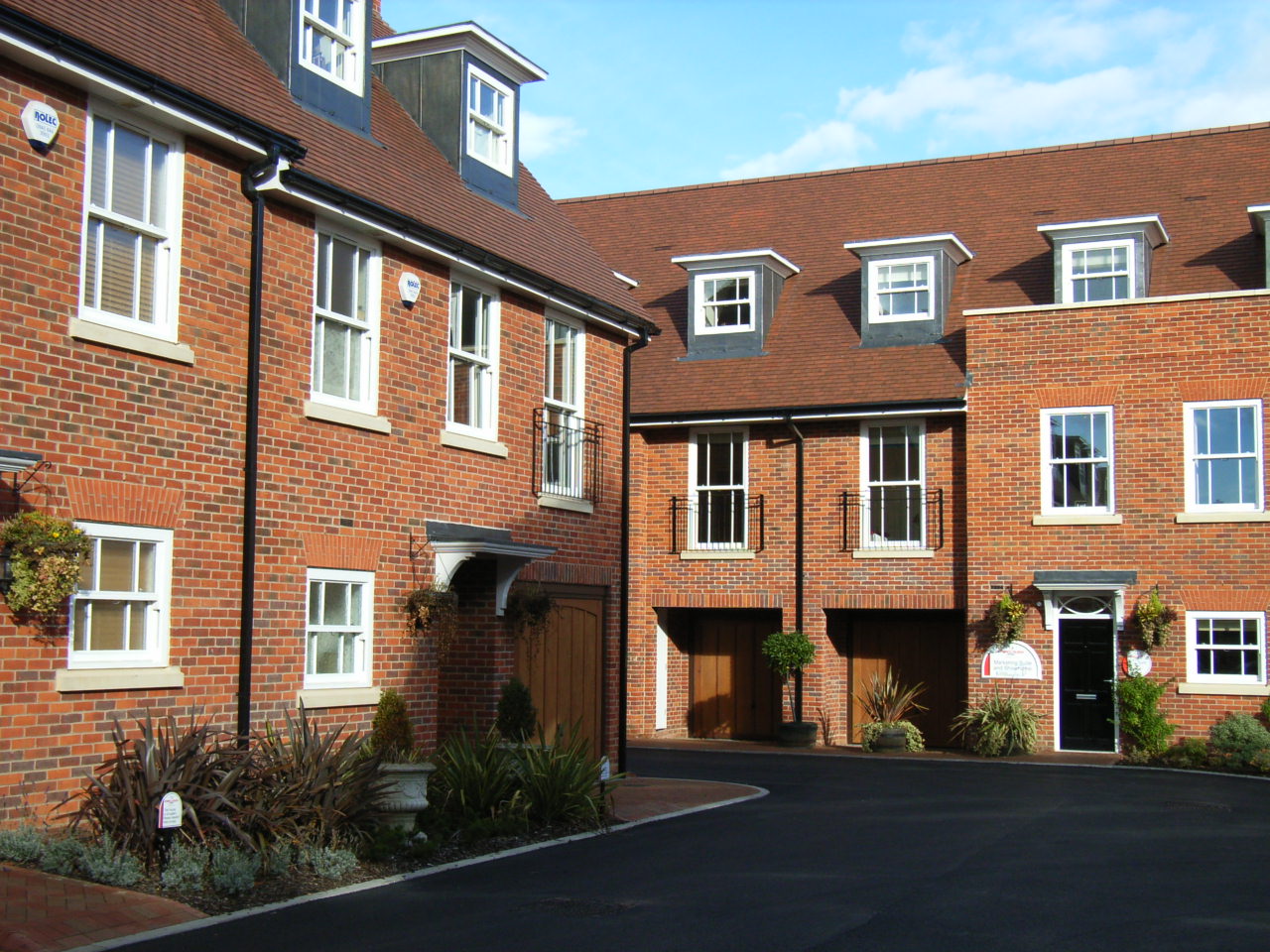
Home survey level 2 St Albans
Buying a residential property involves a combination of financial planning, thoughtful evaluation, and emotional consideration. For many individuals, the decision to purchase a home represents a major step that requires clarity and reassurance at every stage. While first impressions can be positive, it is often the unseen or overlooked details that influence long-term satisfaction. A structured residential assessment is an essential tool that helps buyers better understand what they are purchasing, allowing them to approach the process with confidence and awareness.
The purpose of a structured residential assessment is to provide a thorough overview of the visible elements of a property. Many buyers rely on photographs, virtual tours, and brief viewings as the foundation of their understanding. However, these moments do not always reveal the full picture. A structured assessment fills this gap by reviewing key areas of the home in an organised and methodical way. This approach offers clarity and helps buyers understand important information before making a commitment.
The benefits of a structured residential assessment extend to buyers at every experience level. First-time buyers, in particular, often face uncertainty about what to look for when viewing a property. Without previous knowledge, it can be difficult to recognise concerns or evaluate the true condition of the home. A detailed assessment provides support by highlighting aspects that may require attention. It also helps individuals identify which observations are routine and which may influence the decision-making process.
Even experienced buyers can benefit from this approach. Properties vary significantly in age, condition, and construction style. What appears straightforward in one home may be more complex in another. A structured review ensures that visible elements are carefully evaluated, preventing assumptions or misunderstandings. By delivering a clear overview, the assessment allows buyers to approach the purchase with realistic expectations and a deeper understanding of the property.
One of the greatest advantages of a structured residential assessment is its ability to reduce uncertainty. Buying a home is often an emotional process, and it can be easy to overlook small details in the excitement of finding a property that feels right. An organised assessment balances that emotional experience with factual clarity. It provides an unbiased perspective that grounds the buyer’s expectations and ensures decisions are made with a full understanding of the home’s condition.
A well-prepared assessment also supports financial planning. When buyers understand the visible condition of the property, they can more accurately plan for future maintenance or improvements. Even homes that appear well cared for may have areas that will require attention over time. Identifying these early allows buyers to prepare and avoid unexpected expenses later. This foresight helps create a smoother transition into homeownership and a more predictable long-term experience.
Transparency is another valuable aspect of the assessment. Property transactions often involve coordination between multiple parties, including agents, lenders, and legal representatives. When the assessment presents information clearly, it facilitates smoother communication and reduces the risk of misunderstandings. This transparency promotes a more efficient and professional process for everyone involved.
The structured nature of the assessment also helps buyers manage the emotional impact of the purchase. In many cases, buyers develop an attachment to a property early in the process. While positive emotions are a natural part of home buying, they can sometimes lead to oversight. By presenting observations clearly and objectively, the assessment encourages balance between emotional excitement and practical judgement. This helps maintain perspective and supports responsible decision-making.
A detailed assessment is particularly valuable when buying older homes. Properties that have stood for many years often display signs of general wear. Identifying these signs early ensures buyers understand what may require attention. This information is especially helpful for individuals drawn to the character and charm of older homes, as it helps them appreciate the property while also preparing for future needs.
Even newer homes benefit from structured assessment. Although recent construction typically suggests fewer concerns, it is still important to verify the visible condition. A structured review helps ensure everything appears consistent with expectations and provides reassurance before the purchase progresses. It validates the buyer’s choice and adds an extra layer of confidence to the decision.
One of the distinguishing features of a structured assessment is its balanced reporting style. Rather than presenting only challenges, the assessment includes observations about areas that appear to be performing well. This objective presentation ensures the buyer receives a clear and rounded perspective. Balanced information helps reduce stress and ensures the process remains grounded and fair.
Another valuable aspect is the focus on clear communication. Some reports can be overwhelming, particularly when they include technical language or unclear terminology. A structured residential assessment simplifies this information, making it easier for buyers to understand. Each observation is explained in a way that supports informed decision-making without requiring extensive technical knowledge. This clarity makes the report useful for individuals at any stage of their property journey.
The keyword Home survey level 2 St Albans typically becomes relevant for buyers seeking structured assessments that provide insight into the visible condition of a home. It also appears in contexts where individuals require a dependable, organised overview before finalising a purchase. Using this structured assessment helps buyers gain clarity during an important stage of their decision-making process.
The assessment also contributes to long-term planning. Once buyers understand the current state of the home, they can prepare for future changes or improvements. Planning becomes more straightforward when supported by accurate and clearly presented information. This structured approach assists individuals in managing their homeownership responsibilities in a more organised and predictable way.
A structured assessment can also support negotiation. When buyers have a clear understanding of the visible condition of the property, they are more prepared for discussions with the seller. Balanced, factual information encourages honesty and transparency. Instead of relying on uncertain impressions, buyers can make decisions and agreements based on detailed observations.
Buyers who approach property ownership as a long-term investment gain particular value from this process. Clear insight into the home’s visible condition helps ensure the purchase aligns with long-term expectations. When buyers begin their ownership with understanding and clarity, they can plan future steps more effectively. This helps support a stable and comfortable transition into the home.
The keyword Home survey level 2 St Albans appears again during searches where individuals need a structured assessment to guide their understanding of a property’s condition. This type of assessment becomes a trusted resource for anyone wanting to proceed with clarity and confidence.
Ultimately, the goal of a structured residential assessment is to provide reassurance during the property purchase journey. Buying a home involves financial responsibility, emotional investment, and long-term planning. When information is presented clearly and professionally, buyers can move forward with confidence. A detailed assessment transforms uncertainty into understanding, allowing individuals to focus on the excitement of owning a new home while remaining fully informed.